
Budget
Average costs for hiring a wedding DJ in 2026
What a wedding DJ costs in 2026, what the fee covers, what moves the price, add-ons like uplighting and photo booths, DJ vs. band, and the questions to ask before you book.
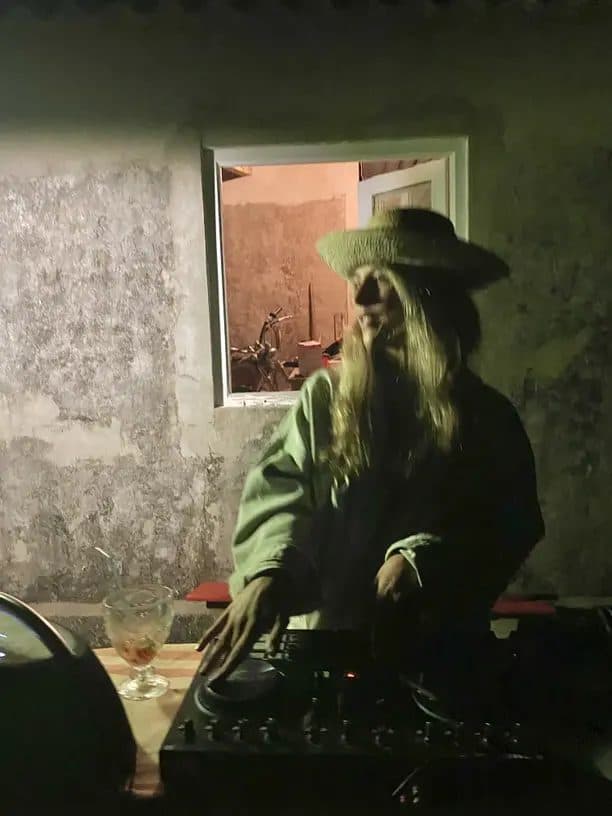
Over the years we’ve asked a lot of couples about the vision for their big day, and the most common answer is “one big party!” Nobody brings the party quite like a good wedding DJ. From hosting the evening to reading the room and knowing exactly when to switch from a slow song to the one that fills the dance floor, your DJ keeps the energy up and the night running on time.
So how much does a wedding DJ cost in 2026? Most couples pay between $1,000 and $2,500 for a professional wedding DJ, and the national average is about $1,800. On Our Day, the median DJ quote in 2026 is also $1,800. This guide covers what a DJ actually does for that fee, what moves the price, how DJs compare with live bands, the add-ons and upcharges to expect, how to negotiate and book, and the questions to ask before you sign.
The average cost of a wedding DJ
You’ll see wedding DJ prices anywhere from about $600 to $3,500 or more. The spread comes from a few factors: where you live, the DJ’s experience, how many hours and which parts of the day you need covered, your guest count, the equipment and lighting included, and the date you choose.
| Where the quote falls | Quote total |
|---|---|
| Lowest 10% | $1,000 or less |
| Lower quarter | About $1,125 |
| Median | About $1,800 |
| Upper quarter | About $2,825 |
| Top 10% | $3,650 or more |
Guest count matters more than many couples expect. On Our Day, DJ quotes for weddings under 100 guests had a median of about $1,050, while weddings of 100 guests or more came in around $2,275. Bigger rooms need more speakers, more lighting and often more hours.
Location matters too. Rural areas tend to see lower prices because demand and the cost of living are lower; cities run higher. And as with any wedding vendor, season counts: spring and fall are peak wedding months, and DJs often charge 10% to 20% more for prime Saturdays than for off-peak dates.
What do wedding DJs actually do during a wedding?
When you think of a DJ, you probably picture someone playing music. A wedding DJ does a lot more: they’re also your master of ceremonies, guiding guests through the evening and keeping it on schedule. Almost every couple who books a DJ through Our Day asks for MC services, and the most common request is coverage for the ceremony, cocktail hour and reception. Here’s what goes into a wedding DJ’s fee:
- Equipment setup and testing. A professional keeps technical problems to a minimum, with backup gear on hand.
- Ceremony music. Prelude music as guests arrive, processional and recessional cues, and microphones for your officiant and readers, unless you hire live ceremony musicians.
- Cocktail hour. Music that sets the mood and carries guests from the ceremony to the reception.
- Emcee. Introducing you and your wedding party with flair, setting up toasts so your best man or maid of honor succeeds, and making every announcement.
- Timeline management. Working with your photographer, coordinator and venue so things happen on time: first dance, dinner by table, cake cutting, last dance.
- Reception music. A playlist built around your preferences and your must-play and do-not-play lists, starting the dance party at just the right moment and keeping it going until the end.
- Requests. Your guests can request songs without taking over the aux; your DJ decides what fits and when.
- Breakdown. Packing up everything once the dance floor empties, within the venue’s load-out time.
Factors that impact DJ pricing
Most of the price difference between DJs comes down to experience, equipment and coverage.
Years of experience
- Newer DJs (under two years of weddings): often about $600 to $1,000. Expect simpler equipment and lighting, someone who DJs part-time, shorter packages, and less experience running a wedding timeline.
- Established DJs (two to five years): usually about $1,000 to $2,000. This is also where many multi-DJ companies price their packages. Expect a better sound system, a confident MC and smoother transitions.
- Veteran DJs (five years or more): often $2,000 to $3,500 or more. Expect a highly personal experience, top-tier equipment and lighting, longer coverage, planning meetings and an MC who has seen everything.
Hours and coverage
Most base packages cover four to five hours of reception. Adding ceremony and cocktail hour coverage, or a welcome party or after party, adds time and often a second sound system. Hourly rates for professional wedding DJs commonly run about $100 to $200, and overtime on the night usually costs more; one DJ on Our Day quoted $200 for an extra half hour. Agree on your timeline in advance so you aren’t paying for overtime by surprise.
Sound equipment
On top of the base package, extra speakers, subwoofers, lighting and effects can add several hundred to over a thousand dollars. They may be necessary in a large venue, a venue without its own dance floor lighting, an outdoor wedding, or a ceremony in a separate space. DJ equipment is expensive to buy, maintain and replace, and setting it up is real physical work, which is part of what you’re paying for.
Travel
DJs traveling outside their normal area often add a travel fee. On Our Day we’ve seen travel lines from about $35 for a short drive to $300 for a longer trip, plus lodging for destination weddings.
Comparing DJ vs. live band costs: which should you choose?
Music is a must, but if you aren’t sold on a DJ, a live band is the other option. A few questions help decide:
- How big is the venue? In a small space a DJ is often the better fit. Some smaller venues allow bands but limit their size or volume.
- Does your wedding have a style? A folk, rustic or jazz-inspired wedding can come alive with live musicians.
- What’s your budget? A live band almost always costs more than a DJ. A three- or four-piece band often starts around $2,500 to $4,000, and larger bands commonly run $7,000 or more.
- How tight is your timeline? Bands need more setup time and more breaks, which can matter if your venue has a strict end time.
Many couples split the difference: live musicians for the ceremony or cocktail hour, then a DJ for the reception. On Our Day we’ve seen a ceremony string prelude quoted at about $495 and a cocktail-hour jazz duo at $400, alongside a DJ for the rest of the night. For how music fits into your overall budget, see how to budget for a wedding.
Ceremony music: DJ sound or live musicians?
Your ceremony is often the shortest part of the day and the most emotional, so it’s worth deciding on purpose. There are three common setups:
- Your DJ handles it. The simplest and usually the cheapest option. Your DJ plays recorded music for the prelude, processional and recessional, and provides microphones so everyone hears the vows. If the ceremony is in a separate space or outdoors, expect a second system, often a few hundred dollars.
- Live musicians for the ceremony, DJ for the rest. A solo guitarist, violinist, string duo or quartet adds a lot of atmosphere for about the cost of a ceremony add-on. Your DJ still provides the microphones, so make sure both vendors know who is doing what.
- A band all day. The most expensive option, and the one that suits a music-first couple with a large budget.
Whichever you pick, do a sound check before guests arrive. Wind, generators, fountains and a crowd of 150 people can swallow an officiant’s voice, and the vows are the one thing every guest wants to hear. If your venue is outdoors, ask your DJ for a battery-powered system so the ceremony doesn’t depend on a long extension cord.
What additional services and upcharges should you expect?
Many DJs offer extras, from uplighting and photo booths to custom monograms and dance floor effects. Most come with a rental fee and sometimes a setup fee, though some DJs bundle them into premium packages. Here’s what add-ons looked like in DJ quotes on Our Day:
| Add-on | Quoted at |
|---|---|
| Ceremony sound system and microphones | $150–$650 |
| Photo booth (digital to full booth) | $95–$600 |
| Extra half hour on the night | $200 |
| Travel | $35–$300 |
| Uplighting package | $895 |
- Uplighting can transform a plain room and draw guests onto the dance floor. Individual fixtures often rent for about $25 to $65 each, DJ bundles commonly add $300 to $900, and full lighting designs for a large venue can run higher. In a venue that’s already beautifully lit, you may not need it. About one in three couples on Our Day ask their DJ for lighting.
- Photo booths range from simple digital or open-air setups to enclosed or mirror booths with props, prints and an attendant. Expect a few hundred dollars for a basic booth and more for longer hours and premium options.
- Special effects like monogram projections, cold spark machines and low fog for a first dance typically add a few hundred dollars to $1,000 depending on the effect and the venue’s rules.
Bundling add-ons with your DJ is often cheaper than renting each one separately, and means one vendor handles setup and timing.
Negotiating, booking, and deposits with your wedding DJ
As with most wedding vendors, there’s usually some room to adjust the package when you’re ready to book. Negotiating with a DJ could mean a shorter reception, skipping the lighting package, using the venue’s own sound system for the ceremony, or asking about a payment plan or an off-peak rate.
Go into your consultation with a clear budget. Once your DJ knows your number and your priorities, they can tell you honestly what’s possible and whether a custom package makes sense. Most DJs ask for a deposit, commonly 25% to 50%, to hold your date, with the balance due a week or two before the wedding. Read the contract for the cancellation policy, overtime rate, setup requirements (power, a table, cover if you’re outdoors) and a backup plan if your DJ is ill.
Whether you choose a DJ or a band, book six to twelve months before your wedding for the best selection, and earlier for peak-season Saturdays.
What a wedding DJ’s day looks like
It helps to see where the hours go. Here’s a typical day for a DJ covering the ceremony, cocktail hour and reception at a 4:30 p.m. ceremony, which is the coverage most couples on Our Day ask for:
- 2:30 p.m., arrive and set up. Load in, set up the ceremony system and the reception rig, test microphones, and check in with the coordinator and venue.
- 4:00 p.m., prelude. Soft music as guests find their seats.
- 4:30 p.m., ceremony. Processional, microphones for the officiant and readings, recessional.
- 5:00 p.m., cocktail hour. Upbeat background music while you take photos, and a quiet move of gear if the reception is in another room.
- 6:00 p.m., grand entrance and dinner. Introductions, welcome, toasts, and dinner music at conversation volume.
- 7:15 p.m., first dance and parent dances. Then the dance floor opens.
- 8:30 p.m., cake cutting and bouquet toss. A short break in the dancing, then back to it.
- 10:00 p.m., last dance and send-off. Then breakdown and load-out.
That’s about five and a half hours of performance and eight or more hours of the DJ’s day, not counting the planning meeting weeks before. It’s why full-day coverage costs more than a four-hour reception set.
Ways to save on a wedding DJ
- Book only the coverage you need. If your ceremony and reception are in the same room, ask for one system that does both instead of two.
- Use the venue’s equipment. Some venues include a sound system or dance floor lighting. Ask before you pay for both.
- Skip lighting in a beautiful room. Uplighting earns its cost in a plain ballroom, less so in a candlelit barn or a venue with its own lighting.
- Choose an off-peak date. Fridays, Sundays and winter months often come with lower rates or extra hours included.
- Bundle add-ons. If you want a photo booth or uplighting, booking it with your DJ is often cheaper than a separate vendor.
- Hire a newer DJ from an established company. You get the company’s equipment, backup and training at a lower rate.
What not to cut: a professional who MCs well. Toasts, entrances and the timeline all run through the microphone, and a nervous friend with a playlist can’t do that job. For more ways to spend smart, see budget-friendly wedding planning tips.
How to get the most from your DJ
Once you’ve booked, a little preparation goes a long way:
- Have a planning meeting four to six weeks out. Walk through the timeline, introductions, toasts and any traditions or cultural moments that need music.
- Share your lists. A short must-play list, a do-not-play list, and the exact versions of your first dance and entrance songs. Then trust your DJ to read the room for the rest.
- Get the pronunciation right. Write out names phonetically for the wedding party introductions.
- Connect your vendors. Share your DJ’s contact with your coordinator, photographer and venue, so cues like the cake cutting and send-off land with everyone ready.
- Feed them. Include your DJ in the vendor meal count. Many contracts require it, and they’ll be working through dinner.
If you’re hiring a planner or coordinator too, they’ll handle most of this with your DJ. See how much a wedding planner costs.
Questions to ask before you book a wedding DJ
- How many weddings have you done, and have you worked at our venue?
- Will you personally DJ our wedding, or someone from your company?
- Do you MC, and how do you handle introductions and toasts?
- How many hours are included, and what does overtime cost?
- Do you cover the ceremony and cocktail hour, and is that a separate system?
- What lighting is included, and what costs extra?
- How do you handle our must-play and do-not-play lists, and guest requests?
- Do you have backup equipment and a backup DJ?
- Are you insured? (Many venues require it.)
- Can we see video of you at a recent wedding?
For questions that apply to every vendor, see the wedding vendor checklist.
Common questions
How much should we budget for a wedding DJ? For a professional DJ with MC services, plan on about $1,500 to $2,500 in most areas. Budget more for 150 or more guests, full-day coverage, lighting or a photo booth.
How many hours do we need a DJ? Usually five to six hours covers the ceremony, cocktail hour and reception. A reception-only booking is often four hours.
Should we tip our DJ? It’s common but optional. Many couples tip $50 to $200, or 10% to 15% if the DJ owns their business and went above and beyond.
Do we need a DJ for the ceremony? You need sound if your ceremony has more than a few dozen guests or is outdoors, so guests can hear your vows. Your DJ can provide it, often as an add-on.
Is a DJ cheaper than a band? Almost always. A great DJ typically costs a fraction of a full band and takes up less space.
Hire the perfect wedding DJ or band with Our Day
Now you have everything you need to find a DJ who will guide your guests through the night with charm, play the songs you love and keep the dance floor full. Decide whether a DJ, a band or a little of both is right for you, and then let Our Day do the searching.
Tell us about your wedding, your guest count and the music you want, and we’ll bring back up to six vetted DJs or bands who are available on your date and in your budget, with Our Day-exclusive pricing. You can compare quotes, watch their work and schedule calls, all in one place. Tell us about your day or browse wedding vendors near you.
Market ranges are 2026 estimates from published DJ pricing. Our Day figures are quotes DJs sent couples and budgets couples set on Our Day in 2026. All figures are estimates.