
Planning
Backup plans for outdoor weddings: weather, tents, and vendor coordination
How to build a Plan B for an outdoor wedding: weather thresholds, tent sizes and 2026 cost estimates, indoor backups, guest comfort, a decision timeline and vendor coordination.
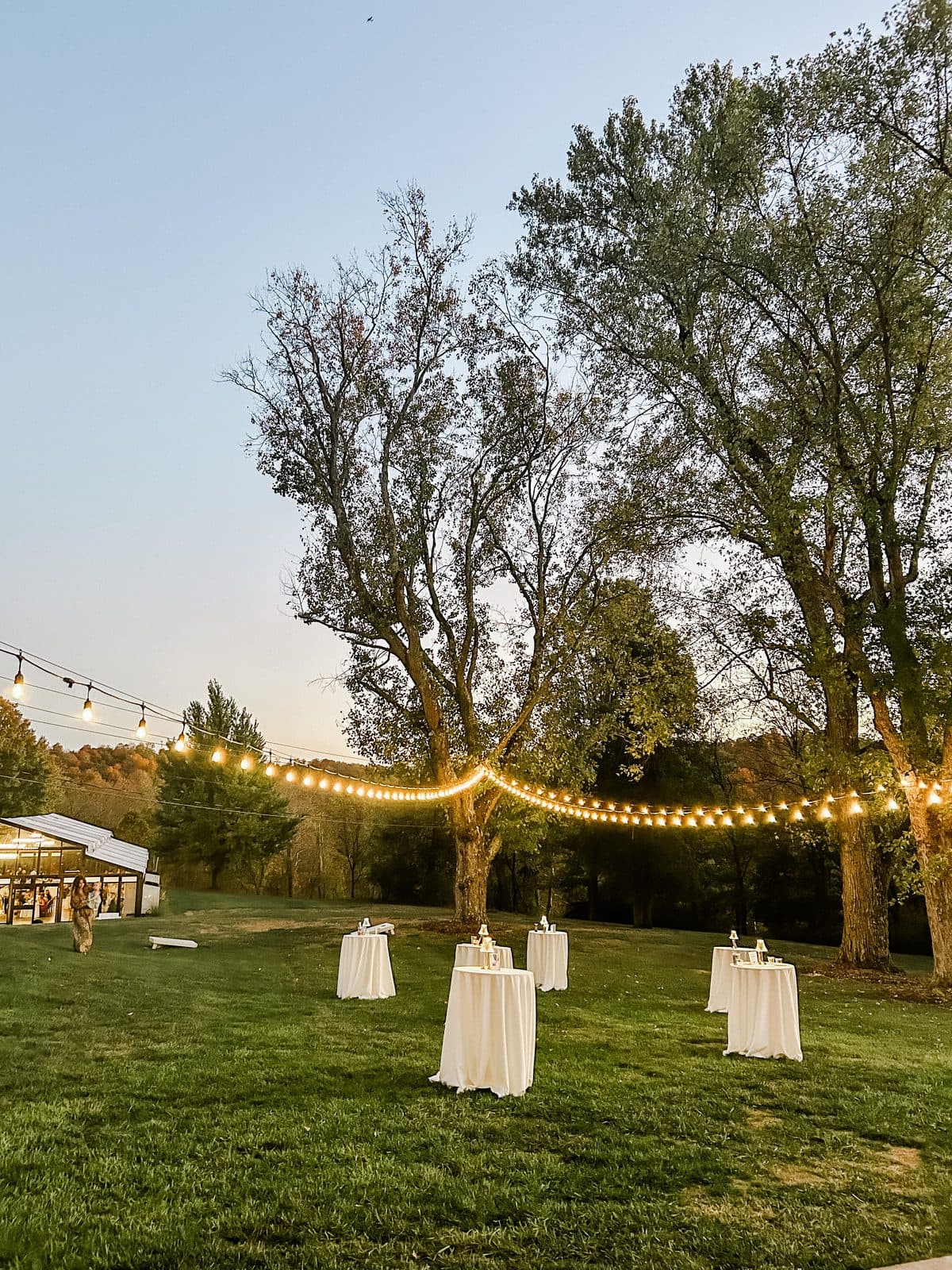
Outdoor weddings are romantic, photogenic and unforgettable, but they come with one big variable: the weather. Sun, wind, rain, heat, cold and even bugs can change how your guests experience the day. The difference between a charming “weather moment” and a stressful scramble is a clear backup plan that everyone on your team understands and can carry out quickly.
This guide walks you through building a practical Plan B for an outdoor ceremony and reception: naming your real weather risks, choosing and sizing a tent (with 2026 cost estimates), setting up indoor and hybrid options, keeping guests comfortable, building a decision timeline, and getting every vendor on the same page. Do this work early and your wedding will feel intentional and beautiful no matter what the forecast brings.
Start with the weather “what ifs”
The first step in weather-proofing an outdoor wedding is naming the specific risks for your location and season. A beach ceremony in July has different concerns than a mountain wedding in October or a garden celebration in April. Think through rain, wind, heat, cold, mud and bugs, not just the classic rainy-day scenario. In much of the Southeast, for example, summer means heat, humidity and afternoon thunderstorms, and late summer into fall falls inside Atlantic hurricane season. In the mountains, an October evening can drop 30 degrees after sunset. On the coast, wind is often the bigger problem than rain.
Once you know your main risks, decide what “too much” looks like for each one. How much wind is too much for your decor and sound system? At what temperature would older guests or young kids be uncomfortable? Are you willing to move everything under cover for a light drizzle, or only for storms and lightning? Setting those thresholds in advance makes it much easier to make a quick, confident call when you check the forecast in the week before the wedding.
Lightning deserves its own rule. A tent is not a lightning shelter, and no vendor or venue should keep guests under canvas or on an open lawn during a thunderstorm. Agree with your venue on where guests go if a storm rolls through (a building, not a tent), and plan to wait until thunder has stopped for about 30 minutes before heading back outside, which is standard safety guidance.
Choosing and reserving the right tent
For many couples, a tent is the backbone of the outdoor backup plan. Even if you hope to keep everything open-air, reserving a tent in advance gives you options. Start by confirming with your venue where tents can go, what sizes are allowed, and whether there are any rules about stakes, flooring, power, generators or noise. Some venues require a specific tent vendor or a permit from the town for tents over a certain size, so ask before you fall in love with a layout.
Next, talk to a reputable rental company about the right style for your event, and get pricing for your ideal setup as well as a scaled-down version so you know what fits your budget.
Tent styles and when each makes sense
- Frame tents have no center poles, so the space inside is fully open. They can sit on pavement, decks or uneven ground with weights instead of stakes, which makes them the most flexible choice for backup plans. They are usually the most affordable per square foot at mid sizes.
- Pole tents have the classic peaked look and are often less expensive than frame tents of the same size, but they need to be staked into soft ground and have poles inside the space that your floor plan must work around.
- Sailcloth tents are the romantic, glowing option with wooden poles and a translucent top. They photograph beautifully and cost noticeably more, and they also need to be staked.
- Clear-top tents let you see the sky (and the stars) while staying dry. They can get hot in direct sun, so ask about shading and fans for a daytime event.
Ask about sidewalls (solid, clear or window walls) to protect guests from wind and rain, flooring or subflooring to keep everyone out of the mud, and heating or cooling, such as fans, portable air conditioning or patio heaters. Lighting matters too: an unlit tent gets dark fast after sunset.
How big a tent you need
Tent sizing comes down to square feet per guest, plus room for everything that is not a guest table. Common rules of thumb:
- Ceremony seating in rows: about 6 to 8 square feet per guest
- Cocktail hour, standing: about 6 to 10 square feet per guest
- Seated dinner at round tables: about 10 to 12 square feet per guest
- Dinner plus dance floor, bar, DJ or band, buffet and cake table: about 15 to 20 square feet per guest all in
- A dance floor that comfortably fits a third to half of your guests at once: a 16 by 16 foot floor for about 100 guests, larger for more
If the ceremony also has to move under the tent, either size up or plan a “flip,” where guests head to cocktail hour while the staff resets rows of chairs into dinner tables. A flip needs 45 to 60 minutes and enough hands, so confirm both with your venue and caterer before you count on it.
What a wedding tent costs in 2026
Pricing varies a lot by region, season, access and how far the rental company has to travel, so treat these as estimates for planning your budget, not quotes.
| Guests | Typical size | Tent only | With walls, floor, lights |
|---|---|---|---|
| Up to 50 | 30 × 30 ft (900 sq ft) | $900–$2,500 | $2,000–$5,000 |
| About 100 | 40 × 40 to 40 × 50 ft | $1,600–$4,500 | $3,500–$8,000 |
| About 150 | 40 × 60 ft (2,400 sq ft) | $2,400–$6,500 | $5,000–$12,000 |
| About 200 | 40 × 80 ft (3,200 sq ft) | $3,200–$8,500 | $6,500–$15,000 |
Sailcloth and clear-top tents typically land at the high end of these ranges or above. Common add-ons to price separately:
| Add-on | Typical range |
|---|---|
| Sidewalls (solid, clear or window) | $150–$1,000 |
| Dance floor | $300–$1,200 |
| Full subfloor over grass | $2–$5 per sq ft |
| Lighting (bistro strands, chandeliers, uplights) | $300–$1,500 |
| Patio heaters, each | $75–$200 |
| Fans or portable air conditioning | $150–$2,500 |
| Generator for power | $400–$1,500 |
| Delivery, setup and teardown | $200–$1,000 |
Reserve early, decide late
Tent companies need several days of notice, and in peak months their inventory sells out. The best approach for most couples is to reserve early and decide late. Ask your rental company whether they offer a weather hold: a smaller deposit that keeps a tent for your date, with a deadline to confirm or release it. Not every company offers one, and terms vary, so read the contract for the release date and what you forfeit.
Build your decision deadline into the plan, usually three to five days before the wedding. Decide in advance that if the forecast crosses your thresholds by that date, you confirm the tent instead of waiting and hoping. It is almost always better to pay for cover you might not fully use than to scramble at the last minute when inventory is gone.
Indoor and hybrid backup options
Not every venue can fit a large tent, and some couples prefer an indoor backup instead. When you tour venues, always ask what happens if the weather turns. Is there a ballroom, barn, pavilion or covered patio you can pivot to? Can the ceremony move inside while the reception stays outside under a tent? Is there an extra fee or time limit for switching spaces, and who makes the call? Ask to see the backup space set for your guest count, either in person or in photos from a real wedding, because a room that looks generous empty can feel tight with 120 chairs and a band.
A hybrid plan can be especially effective. You might plan to hold the ceremony outside if conditions allow, but put dinner tables under a tent or indoors from the start. That way, even if a shower appears mid-reception, guests are already protected and the flow of the evening is not disrupted. Think through how you would stage decor, music and lighting in each setup so both options feel intentional rather than like a downgrade. For the full list of questions to ask before you sign, see everything to ask before booking a wedding venue.
Guest comfort: heat, cold, wind, and bugs
Weather backups are not only about rain. Heat waves, chilly evenings, wind and insects can make guests uncomfortable even when the sky stays clear. Build comfort items into your plan so the day feels thoughtful and prepared instead of reactive.
Heat
For hot climates, plan water stations, shaded seating, parasols or handheld fans, and light refreshments before the ceremony. Ask your caterer about serving ice water or lemonade as guests arrive. Keep the ceremony short, face guests away from direct sun if you can, and consider a later start time so the reception begins as the heat breaks. Remember the people working hardest: your wedding party in formalwear, your officiant and your vendors all need shade and water too. Flowers wilt and cakes soften in the sun, so keep both out of it until the last moment.
Cold
For cooler weather, have blankets, shawls or pashminas in a basket near the ceremony seating, and talk to your tent or rental company about heaters and sidewalls to keep the chill out. A hot cider or coffee station during cocktail hour is a cheap, welcome touch. If the evening will be cold, move the outdoor portion earlier in the day and bring dinner indoors.
Wind
Wind calls for extra attention to decor and layout. Choose sturdy vases and weighted bases for arrangements, secure linens with clips or ties, use hurricane glass around candles, and avoid lightweight paper items on uncovered surfaces. Your officiant and DJ should plan for wind noise on microphones, and your florist may recommend lower, heavier designs for an exposed site. Ask your tent company what wind speed would require guests to leave the tent; every rental company has a limit, and you want to know it in advance.
Bugs
Near water or woods, plan for citronella candles, fans (mosquitoes are weak fliers), and baskets of insect-repellent wipes or sprays near entrances and restrooms. Some venues treat the grounds before an event; ask whether yours does, and how far ahead. These small touches tell guests you care about their comfort, whatever nature does.
Building a clear weather timeline
A strong backup plan has more than an alternate location. It has a clear decision timeline. Start watching the forecast about ten days out, knowing that forecasts beyond five days are rough guides, and decide when you will make each final call. Common checkpoints:
- Ten to seven days out: start watching. Send your planner and venue a heads-up if things look unsettled.
- Five to three days out: confirm or release the tent, based on your written thresholds.
- 72 to 48 hours out: finalize the layout, rental quantities and staffing for the setup you chose.
- 24 hours out: update the shot list, move music and power plans under cover, and reassign decor.
- Morning of: make the final ceremony-location call by a set time, usually four to six hours before the ceremony.
Write out what needs to happen at each stage if you activate Plan B. At 72 hours you might confirm the tent, adjust the floor plan so the ceremony or dance floor fits under cover, and change rental quantities. At 24 hours you might adjust your photography shot list, move your musicians or DJ under the tent, and reassign decor from lawn areas to covered spaces. A simple “if we switch, then we do this” list removes guesswork when emotions are high.
Finally, decide who makes the call. The best answer is usually your planner or coordinator together with the venue, with the two of you consulted but not burdened on the morning of your wedding. If you don’t have a coordinator, name one calm, organized person to own the decision and to tell everyone else. For what a coordinator does and costs, see how much a wedding planner costs.
Coordinating backup plans with vendors
Weather-proofing only works if your vendors are fully looped in. Early in planning, ask each vendor what they need to adapt to a backup plan, and put the answers in your timeline document.
- Photographer and videographer: need covered locations with good light for portraits and a plan for golden-hour photos if it rains (a quick break between showers often gives the best light of the day). Ask whether they bring clear umbrellas and lighting for indoor portraits.
- Florist: may suggest different mechanics for arrangements that will sit in the sun versus under a tent, and needs to know whether arches and aisle pieces will move indoors.
- DJ or band: will want to know where power is, how protected their equipment will be, and how much space they get in each layout. Electronics and rain don’t mix, so most will not set up in the open if storms are possible.
- Caterer and bar: need to know where the kitchen, prep tent and service paths will be in each layout, and whether a flip changes their timing.
- Officiant: needs the backup location and a sound plan for a covered or indoor ceremony.
- Rental and tent company: needs final quantities, the confirm or release date, and the setup and teardown windows the venue allows.
- Hair and makeup: should know about humidity so they can plan products and styles that hold, and may need to start earlier if photos move indoors.
Put the backup plan in writing in one shared document: both layouts, the decision deadlines, who makes the call, and each vendor’s changes. Send it to every vendor two to three weeks before the wedding and again once the call is made. Make sure every vendor contract covers weather: does the vendor charge for a change of location or extra setup time, and what happens if the event has to be postponed? Our wedding vendor checklist lists the contract terms worth checking.
Contracts, deposits and weather insurance
A good backup plan is partly paperwork. Before you sign with an outdoor venue, ask what its contract says about weather: who decides to move indoors, whether there is a fee, and what happens if a severe storm or hurricane forces a cancellation or postponement. Ask your tent company the same questions, plus when the confirm or release deadline falls and what deposit is refundable.
Wedding insurance is worth a look for outdoor and hurricane-season weddings, but read the fine print. Most policies do not pay out just because it rained. They typically cover extreme weather that makes the event impossible to hold or reach, such as a hurricane, a major storm that closes roads, or a power outage at the venue. Policies usually have to be bought before a storm is named or forecast, so buy early if your date falls in a risky season.
Common mistakes to avoid
- Waiting to reserve a tent until the forecast looks bad. In spring and fall, tents are often gone by then.
- Sizing the tent for dinner only. Forgetting the dance floor, bar, DJ and buffet is the most common reason a tented reception feels cramped.
- No flooring on soft ground. A rainy week can turn grass into mud even if the wedding day is dry.
- No lighting or power plan. A tent without lights is dark by dessert, and a band without power is silent.
- Making the decision on the morning of. Late calls stress everyone and cost money in labor.
- Telling vendors, but not guests. Update your wedding website and send a short message if the location changes, and tell guests to bring a layer or wear shoes that work on grass.
Your outdoor wedding Plan B checklist
- List your top three weather risks for your location and month
- Write your thresholds for rain, wind, heat and cold
- Confirm the venue’s indoor or covered backup space and see it set for your guest count
- Get tent quotes for your ideal and scaled-down setups, including walls, floor, lights and power
- Ask about a weather hold and note the confirm or release date
- Agree on a safe shelter for lightning
- Build comfort kits: water, fans, blankets, bug spray
- Write your decision timeline and name who makes the call
- Share one backup document with every vendor
- Check vendor and venue contracts for weather terms, and consider insurance
- Prepare a short guest message for a location change
Common questions
When should we decide whether to use the tent? Most rental companies need a decision three to five days before the wedding. Set your thresholds early and stick to them at that deadline.
How big a tent do we need for 100 guests? For a seated dinner with a dance floor, bar and DJ, plan on about 1,500 to 2,000 square feet, which is roughly a 40 by 40 or 40 by 50 foot frame tent.
Is a tent cheaper than an indoor venue? Not always. Once you add walls, flooring, lighting, power, heaters and restrooms, a tented reception for 150 guests can cost $5,000 to $12,000 or more in estimates. Compare it to the full cost of an indoor venue before you decide, and see average wedding venue costs for benchmarks.
Will rain ruin our photos? Usually the opposite. Overcast skies give soft, even light, and clear umbrellas, covered porches and a quick portrait session between showers often produce favorite images. Talk to your photographer about it early; see what to know when hiring a wedding photographer.
Plan your outdoor wedding with Our Day
The best outdoor weddings are planned twice: once for the forecast you hope for, and once for the one you get. With clear thresholds, a tent or indoor space reserved early, comfort details ready and every vendor working from the same plan, you can enjoy your day whatever the sky does.
Tell Our Day about your outdoor wedding, from your date and guest count to your budget, and we’ll match you with up to six vetted vendors per category who are available and in budget, with Our Day-exclusive pricing. You can compare their quotes, portfolios and reviews, schedule calls, and ask each one how they handle weather, all in one place. Tell us about your day or browse wedding vendors near you.
Tent sizes and prices are 2026 estimates drawn from published tent rental pricing guides; actual quotes vary by region, season, access and rental company. All figures are estimates.