
Planning
Considering a day-of wedding coordinator? Read this first.
What a day-of coordinator actually does, how the role differs from a planner or venue coordinator, what it costs in 2026 and how to choose one.
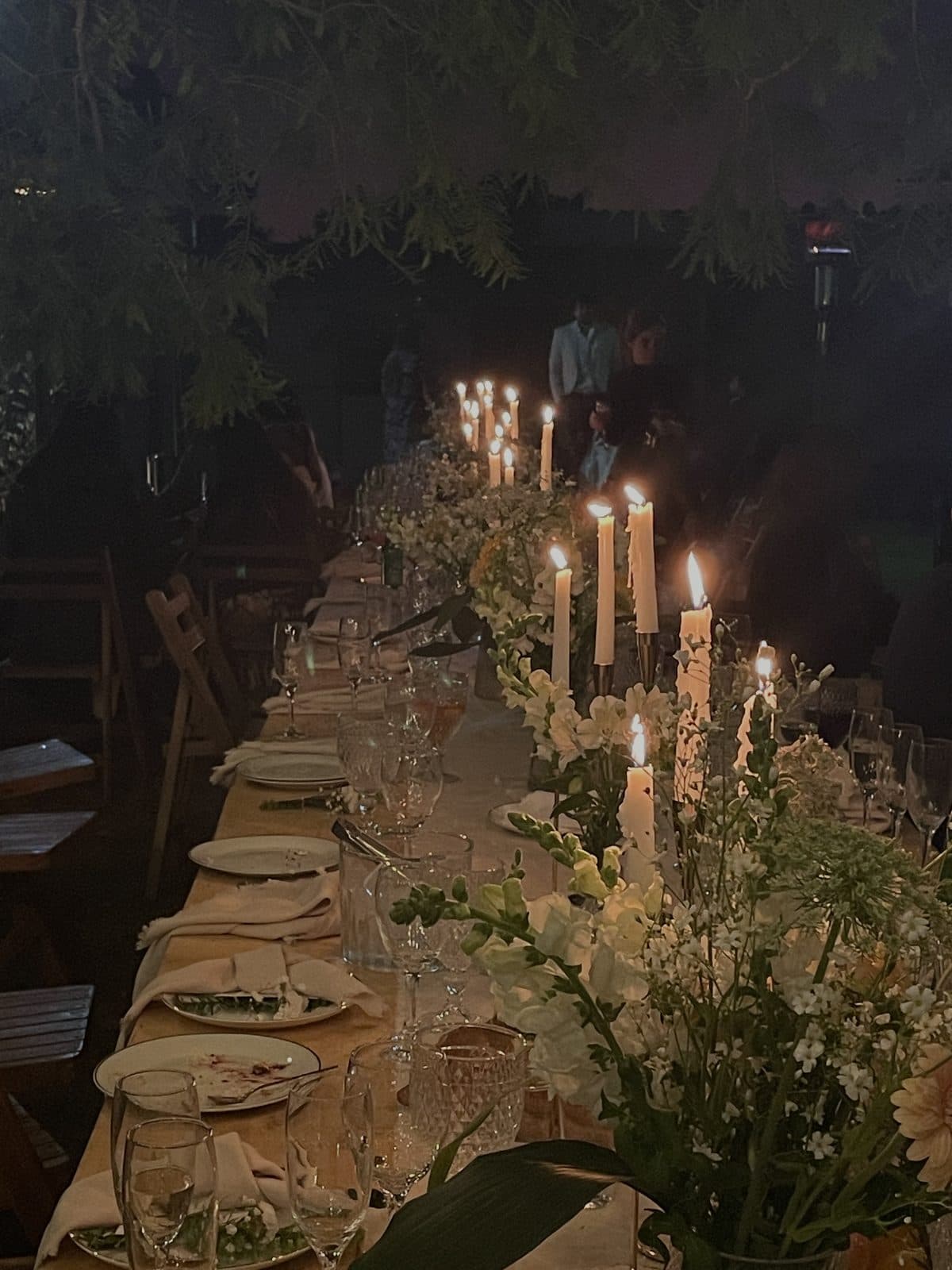
Planning your own wedding is an adventure: beautiful, emotional and, let’s be honest, sometimes chaotic. Touring venues and building mood boards is the fun part. Running the wedding day itself, with a dozen vendors, a timeline measured in minutes and a hundred guests who all want to know where to go, is a different job entirely.
That’s where a day-of wedding coordinator comes in. They’re the backstage manager of your wedding: the person making sure the cake arrives, the guests are seated, the vendors know their cues and every detail you planned actually happens. Before you hire one, here’s what they do, what they don’t, how they differ from a planner or a venue coordinator, what they cost in 2026, and how to choose the right one.
What does a day-of wedding coordinator do?
A day-of coordinator takes the plan you’ve built and runs it. Unlike a wedding planner, who works with you through the whole planning process, a day-of coordinator focuses on execution: managing your vendors, holding the timeline and solving problems on site, so you can focus on celebrating with the people you love.
The name is a little misleading. Very few coordinators simply show up on the morning of your wedding. Most start four to eight weeks before the date. Once hired, they review your vendor contracts to catch anything overlooked, confirm arrival times and expectations with every vendor, build a master timeline and walk the venue with you. By the day itself, they know your plan inside and out. If you’re still early in planning, start with how to plan a wedding in 22 steps, then come back here when you’re ready to hand off the day.
Arrive at your getting-ready location with everything you could ever need
Your coordinator sets the tone for a calm morning. They check that hair and makeup is running on schedule, keep the wedding party moving toward photos on time, and arrive with an emergency kit for the small disasters: a broken zipper, a lost earring back, a spilled coffee, a blister.
Set up all your personal and sentimental items
The guest book, the welcome sign, the escort cards, the framed photos of grandparents, the card box, the favors. Your coordinator places every meaningful detail where it belongs, so you’re not spending the morning of your wedding arranging tables.
Make sure the ceremony runs smoothly and is legal
When it’s time to say “I do,” your coordinator lines up the processional, cues the musicians and the officiant, and makes sure the rings are where they need to be. Afterward they confirm the marriage license is signed by everyone who needs to sign it and that your officiant knows how and when to file it.
Manage the ceremony rehearsal the day before
Your wedding party needs to know where to stand, when to walk and how to exit. Most coordinators run the rehearsal, usually the day before the wedding, walking everyone through the processional and recessional so the ceremony feels effortless. Some include it in their package; others charge a small add-on.
Make and manage the wedding timeline
A timeline can make or break a wedding day. Your coordinator builds a detailed master timeline, from the first hair appointment to the last vendor load-out, and shares it with every vendor. On the day, if something runs late, they adjust on the fly so you’re never rushed and the evening still ends on time. For what to confirm with each vendor before that point, use the wedding vendor checklist.
Wrangle your family members
Family can be unpredictable. Your coordinator makes sure the right people are present for family photos, toasts and special dances, and gathers anyone who has wandered off before the photographer needs them. You won’t have to chase Uncle Joe through the cocktail hour.
Come with a backup plan and problem solve on the fly
Weddings rarely go perfectly. A seam rips, a centerpiece breaks, the florist is stuck in traffic, a toast-giver forgets their notes, rain moves in an hour before the ceremony. A seasoned coordinator has seen it before and handles it without involving you. The difference between a stressful day and a joyful one is often simply whether the problems reach you.
Day-of wedding coordinator vs. wedding planner vs. venue coordinator: what’s the difference?
These roles get confused all the time, and the confusion costs couples money in both directions: some pay for full planning they don’t need, and others skip a coordinator because they assume the venue has it covered. Here’s how they compare.
| Role | Who they work for | When they start | Main focus |
|---|---|---|---|
| Wedding planner | You | Months to a year out | Budget, vendors, design and the day |
| Day-of coordinator | You | 4–8 weeks out | Your plan, your vendors, your timeline |
| Venue coordinator | The venue | When you book the venue | The space, venue staff and venue rules |
Wedding planner
If you want someone guiding you from the first decision, a wedding planner is your person. They help build your budget, research and book vendors, design the look and feel of the day, and then run the wedding too. They work with you for months, sometimes more than a year. If you need that level of support, read how much a wedding planner costs to compare full-service, partial and day-of packages. If you’ve already done the planning and need help making it happen, a day-of coordinator is the better fit.
Venue coordinator
A venue coordinator focuses on one thing: the venue. They manage the venue’s staff, set the tables and chairs, handle the facility and enforce the venue’s rules. That’s valuable, but it isn’t the whole wedding. A venue coordinator usually doesn’t confirm your outside vendors, manage your wedding party, place your personal items, or stay after dinner is served.
Think of them as the venue’s point person, not yours. Ask your venue exactly what their coordinator does on the day and until what time. The answer tells you how much of the job is still open. You’ll find more questions like this in everything to ask before booking a wedding venue.
Why not just ask a friend?
Many couples assume a reliable friend or relative can “cover it.” It sounds free, but it rarely works the way you hope. Coordinating a wedding is a full working day, often 10 to 12 hours, starting before hair and makeup and ending after the last vendor loads out. The person doing it can’t really be a guest: they miss the toasts because they’re finding the caterer, and they spend the first dance checking on the send-off.
A friend also doesn’t know what a professional knows: which vendor to call when the cake hasn’t arrived, how long a family photo list really takes, or how to tell a DJ politely that dinner is running 20 minutes late. Your loved ones deserve to celebrate with you, not run interference behind the scenes. A professional coordinator lets everyone else simply be there.
What a coordinator changes about your day
The value of a coordinator is easiest to see in what you don’t experience on the day:
- You stay calm. You don’t answer a single logistical question. The calls, texts and small emergencies go to your coordinator.
- The timeline holds. Late starts get absorbed quietly, so you don’t lose your dancing time or pay a surprise overtime fee at the end of the night.
- One person talks to every vendor. Your photographer, caterer, DJ and venue staff all have one point of contact, which means fewer misunderstandings.
- Your investment is protected. If a vendor sets up the wrong linens or forgets the arch flowers, your coordinator catches it while there’s still time to fix it.
- Your guests are looked after. They know where to go, when things are happening and who to ask for help.
- No regrets. One of the most common things couples say after skipping a coordinator is “we wish we’d hired one.”
When you should consider hiring a day-of wedding coordinator
Not every wedding needs one, but if you want to enjoy your day without managing it, a coordinator is one of the best-value bookings you can make. Here’s when it matters most.
1. DIY weddings
You chose every vendor, designed the decor and planned every detail. The more of it you did yourself, the more there is to set up, place and pack away, and the more likely you are to end up doing it in your wedding clothes. A coordinator takes over on the day so your work comes together without you running the show.
2. Destination weddings
Planning from miles away means you can’t pop over to the venue or meet vendors in person. A local coordinator who knows the venue and the vendors becomes your eyes and hands on the ground, and makes sure everything is in place before you arrive.
3. Large or non-traditional weddings
More guests and more vendors mean more moving parts. So does a ceremony in one place and a reception in another, a blank-slate venue where you bring in every rental, or a multi-day weekend. A coordinator keeps vendor arrivals in order and the whole day flowing.
4. Venues with limited on-site help
If your venue coordinator leaves after setup, or your venue doesn’t have one at all, nobody is in charge of your wedding once it starts. That’s the clearest sign you need your own coordinator.
How much does a day-of wedding coordinator cost?
In 2026, most day-of coordinators charge about $800 to $2,500, based on published pricing across several 2026 guides. Month-of coordination, which starts earlier and includes more planning meetings, commonly runs about $1,500 to $4,000. Treat these as estimates; your quotes depend on your market and your wedding.
The exact cost depends on a few factors:
- Location. Coordinators in large cities and high-demand areas charge more than those in smaller towns.
- Wedding size and complexity. More guests, more vendors, two locations or a big setup all take more time, and often an assistant.
- How early they start. A coordinator who starts eight weeks out with several meetings costs more than one who starts two weeks out.
- Hours on the day. Most packages include 8 to 12 hours. Setup and breakdown of your own decor, or a reception that runs late, can add to the price.
- Add-ons. Rehearsal coordination, an extra assistant or a second event like a welcome party are often priced separately.
When you set your budget, leave room for gratuity and a vendor meal. Tipping isn’t required, but a tip of a few hundred dollars is a common way to thank someone who made your day run smoothly. For how a coordinator fits with everything else, see how to budget for a wedding.
What a day-of wedding coordinator does not cover
A day-of coordinator is key to a stress-free day, but it helps to know where the job ends. Their role is to execute the plan, not to create it.
- No planning or budgeting. If you want someone to build your budget, research vendors or help you choose between peonies and garden roses, that’s a planner’s job.
- No vendor booking or event design. A day-of coordinator doesn’t book your vendors or design the look of your wedding. Their work begins once those decisions are made.
- Usually not unlimited setup. Many packages include placing your personal items, but large DIY setups, like dozens of centerpieces or a full lounge area, may need extra staff or an add-on.
Think of a day-of coordinator as the executor of your vision. They won’t build your wedding from the ground up, but they’ll make sure everything you’ve planned actually happens.
How to choose the right day-of wedding coordinator
Finding the right coordinator doesn’t need to be overwhelming. Know what to look for and you’ll find someone who fits your plan and your personality.
1. Look for experience and positive reviews
Look for coordinators with real wedding experience and strong reviews from past couples. Check what their packages include and whether they’ve handled weddings like yours. If you’re planning a large wedding, a non-traditional celebration or a venue they’ve worked before, that experience is worth paying for.
2. Ask the right questions
Once you’ve found a few options, set up calls and ask:
- When does your work with us start, and how many meetings are included?
- Do you include a venue walkthrough and the rehearsal?
- Will you review our vendor contracts and contact every vendor?
- How many hours are you on site, and do you bring an assistant?
- Do you set up and break down our personal items and decor?
- What happens if the reception runs late?
- Who is your backup if you’re sick on our wedding day?
- What’s in your emergency kit?
The right coordinator should feel like someone you trust to take charge, calm and organized, with a sense of humor when things go sideways.
3. Use tools like Our Day
If you’re not sure where to start, Our Day can do the searching for you. Tell us about your wedding and the kind of help you want, and we match you with vetted coordinators who are available on your date and in your budget, so you can compare quotes instead of chasing availability.
Working with your coordinator: the final eight weeks
Once you’ve booked, here’s how the work usually unfolds. Knowing the rhythm helps you have the right information ready at each step.
- Six to eight weeks out: kickoff. A long first meeting where you share your vision, vendor contracts, budget for any remaining items, and every idea you have about the day. Bring your inspiration photos and the things you absolutely don’t want.
- Five to six weeks out: vendor outreach. Your coordinator introduces themselves to every vendor, confirms arrival times, load-in rules and power needs, and flags any gaps, like rentals nobody ordered or a ceremony with no microphone.
- Three to four weeks out: venue walkthrough. You walk the space together to settle the floor plan, the processional route, where each vendor sets up, and the rain plan.
- Two weeks out: final timeline. The master timeline goes to every vendor and your wedding party, along with the family photo list and a contact sheet with every on-site name and cell number.
- The week of: final confirmations. Your coordinator reconfirms every vendor, collects your personal items and labels where each one goes, and settles final payments and tip envelopes with you.
- The day before: rehearsal. They run the rehearsal so your wedding party knows exactly what to do.
- The wedding day. They arrive before your first vendor and leave after your last one, with the timeline in hand and your phone, ideally, in someone else’s pocket.
Common questions
When should we book a day-of coordinator? Six to twelve months before the wedding. Their work starts late, but their calendars fill early, especially for spring and fall Saturdays.
Is a day-of coordinator worth it for a small wedding? Often, yes. Even a 50-guest wedding has a ceremony, vendors, a timeline and personal items to set up. A small wedding may need fewer hours, which can lower the price.
Do we still need one if our venue has a coordinator? Usually. Ask what the venue coordinator covers and how long they stay. If the answer covers only the venue, you need your own.
What should we give our coordinator before the wedding? Your vendor contracts and contacts, the timeline draft, the ceremony order, the family photo list, a floor plan and a list of every personal item with where it goes.
Find and hire your day-of wedding coordinator with Our Day
Your wedding day should be about joy, love and memories, not schedules and last-minute fixes. A day-of coordinator takes that weight off your shoulders, and for many couples it’s the difference between running their wedding and actually enjoying it.
Tell Our Day about your wedding and we’ll bring back up to six vetted coordinators and planners who are available on your date and in your budget, with Our Day-exclusive pricing. Compare their quotes, portfolios and reviews, and schedule calls, all in one place. Tell us about your day or browse wedding vendors near you.
Market ranges are 2026 estimates from published coordinator pricing. Our Day figures are quotes planners and coordinators sent couples on Our Day in 2026. All figures are estimates.