
Planning
How to make your wedding feel like a dinner party
A dinner-party wedding is one of the simplest ways to make your day feel unique: intimate, seated, and built around a great meal. Here is how to plan the guest list, menu, seating, and pace.
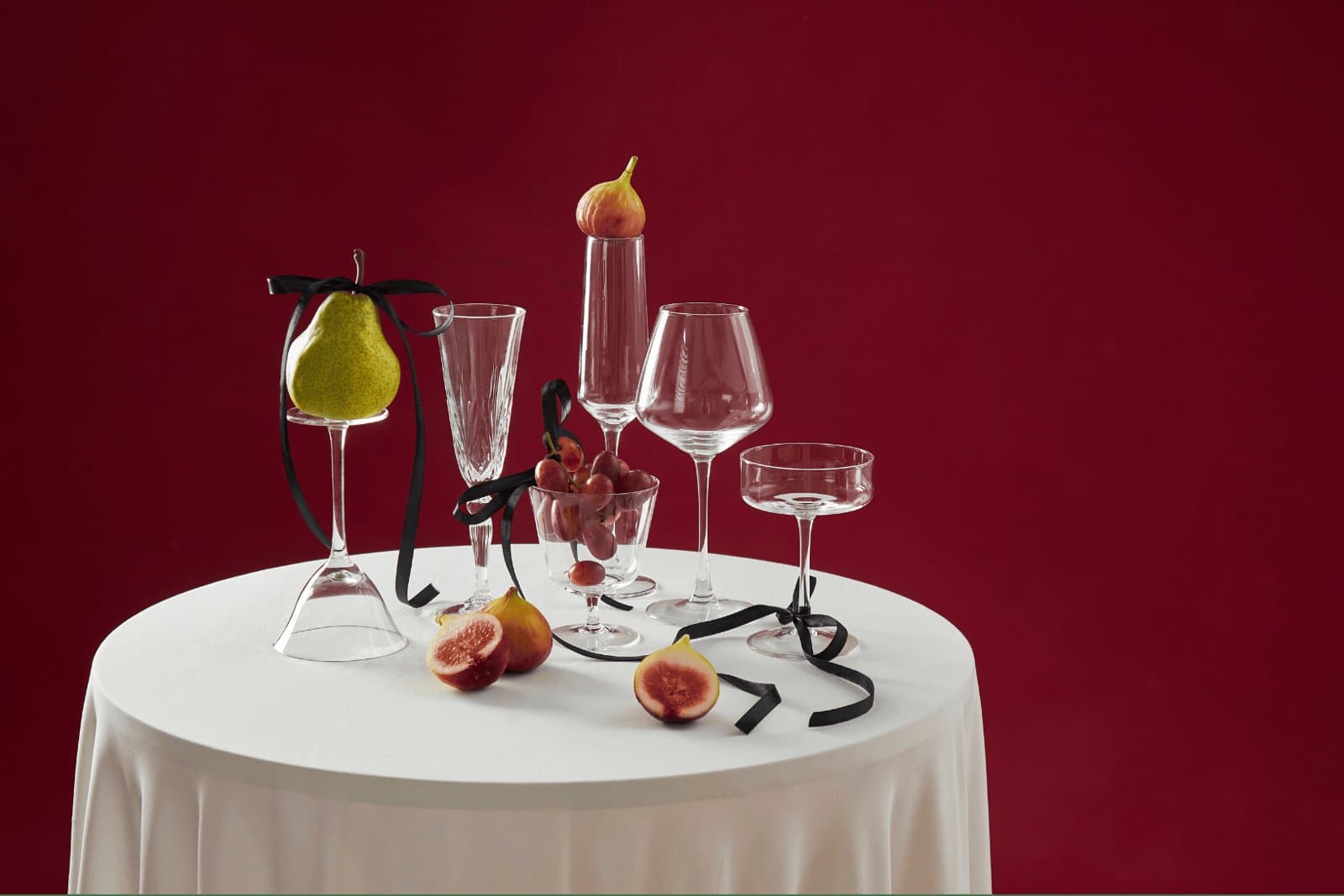
The weddings people remember rarely feel like productions. They feel like the best dinner party you have ever been to: warm, unhurried, and full of people who are genuinely glad to be at the same table. A dinner-party wedding leans all the way into that feeling. Instead of a big room, a long timeline, and a stage, you get a hosted evening built around good food, real conversation, and a few thoughtful details. It is also one of the easiest ways to make your day feel unique, because it is designed around you and your guests rather than a template. Here is how to plan one, step by step.
What a dinner-party wedding actually is
A dinner-party wedding is an intimate, seated celebration where the meal is the main event rather than an intermission between the ceremony and the dance floor. Think fewer guests, one or two long tables, courses that arrive with intention, and a pace that lets people linger. It works at almost any size, but it shines when the list is small enough that everyone can feel like an invited friend instead of an audience member.
The style suits couples who love hosting, who care more about the food and the company than the spectacle, and who want their budget to go into the experience at the table rather than the square footage around it. You can hold one in a restaurant’s private room, a small event space, a family home, a winery, or a garden. The setting matters less than the intention: everything points toward the meal and the people sharing it.
Start with a smaller guest list
Intimacy is a math problem before it is a design choice. The fewer people you invite, the more you can spend and feel per guest, and the easier it is to seat everyone together. A dinner-party wedding typically lands somewhere between twenty and eighty guests. At that scale, you can serve a genuinely great meal, remember to talk to everyone, and keep the whole evening at one or two tables.
If trimming the list feels hard, use a simple test: invite the people you would happily host at your own dinner table. That framing does the editing for you, and it is the same instinct that makes the night feel personal. A smaller list is not a smaller wedding. It is a more concentrated one.
Design the menu like a host, not a caterer
The meal is where a dinner-party wedding earns its name, so treat it the way you would treat a menu for people you love. Build it around a few courses that arrive in sequence, choose seasonal ingredients that your caterer or venue is excited about, and pick a format that keeps the table social. Family-style platters passed between guests and shared grazing boards both do this well, because reaching for the same dish is how strangers become friends.
A few ideas that carry the feeling: a welcome cocktail named after the two of you, a first course that lands the moment everyone sits, a main served family style so the table has to work together, and a dessert moment that doubles as the send-off. You do not need more courses than a great restaurant would serve. You need courses that feel considered.
Seat everyone at one long table
Nothing says dinner party like a single long table running down the middle of the room. It puts everyone in one shared conversation, removes the hierarchy of a head table, and photographs beautifully by candlelight. If your guest count is too high for one table, use two or three long ones rather than a scatter of rounds. The goal is sightlines and closeness, so people can catch an eye and raise a glass across the table.
Skip assigned-seat anxiety by seating people near someone they will click with rather than only near people they already know. A little cross-pollination is what turns a wedding into a party. Place cards, handwritten menus at each setting, and low florals that never block a face are the small moves that make a long table feel intentional.
Slow the pace all the way down
A production wedding runs on a tight timeline. A dinner-party wedding runs on the rhythm of a good meal. Let the courses set the pace, and tuck the traditional moments between them so they feel like part of the conversation rather than interruptions to it. Toasts land better between the first course and the main. The first dance can happen as dessert is cleared. Nobody is watching a clock, because the food is doing the work of moving the night along.
Build in room to linger. The best part of any dinner party is the stretch after the plates are cleared, when the candles are low and no one wants to leave. Protect that window on purpose, and resist the urge to fill every minute.
Layer the ambiance
Warmth is the whole aesthetic. Candles at every height, dim and golden light instead of bright and flat, and a soundtrack you can talk over will do more for the feeling than any single big-ticket detail. Live music during dinner, a jazz trio or a solo guitarist, keeps the energy intimate in a way a full dance floor cannot until later in the night.
Keep the tablescape low and abundant: trailing greenery, seasonal blooms, mismatched candlesticks, and glassware you actually want to drink from. The dinner-party look is collected, not matched. It should feel like a beautiful table someone set with care, because that is exactly what it is.
Make it unmistakably yours
The final layer is personality. This is where a dinner-party wedding becomes a story your guests retell. Serve the dish from your first date or your grandmother’s recipe. Print a menu that explains why each course made the cut. Write a short welcome that tells the table why these specific people are here. Pour the wine you drank on the trip where you got engaged. None of it costs much, and all of it is the reason a small wedding can feel bigger than a ballroom.
Uniqueness is not a theme you buy. It is the sum of choices only the two of you would make. A hosted dinner is the format that gives those choices somewhere to live.
Common questions
Is a dinner-party wedding cheaper? Not automatically, but it spends differently. You put money into food, drink, and service per guest instead of into a large space and the rentals to fill it. With a smaller list, the same total budget can buy a much richer experience.
Can we still have dancing? Absolutely. Many dinner-party weddings open up into a proper party once dessert is done. The seated dinner just anchors the first half of the night, so the dancing feels earned rather than scheduled.
Does it work for a bigger guest count? Yes, with more long tables and a caterer who can serve courses at scale. The feeling comes from the format and the pacing, not strictly from the number, so protect those even as the list grows.
A wedding that feels like a dinner party is really just a wedding that remembers what weddings are for: gathering the people you love around a table and taking your time. Start with a list you would happily host, build a menu you are proud of, seat everyone close, and let the evening breathe. When you are ready to find the vendors who can pull it off, tell Our Day about your day and compare quotes from the caterers and planners who specialize in exactly this.