
Vendors
The importance of having a wedding videographer
Seven reasons a wedding videographer is worth it, what wedding videography costs in 2026, the films you can choose, and how to find the right videographer.
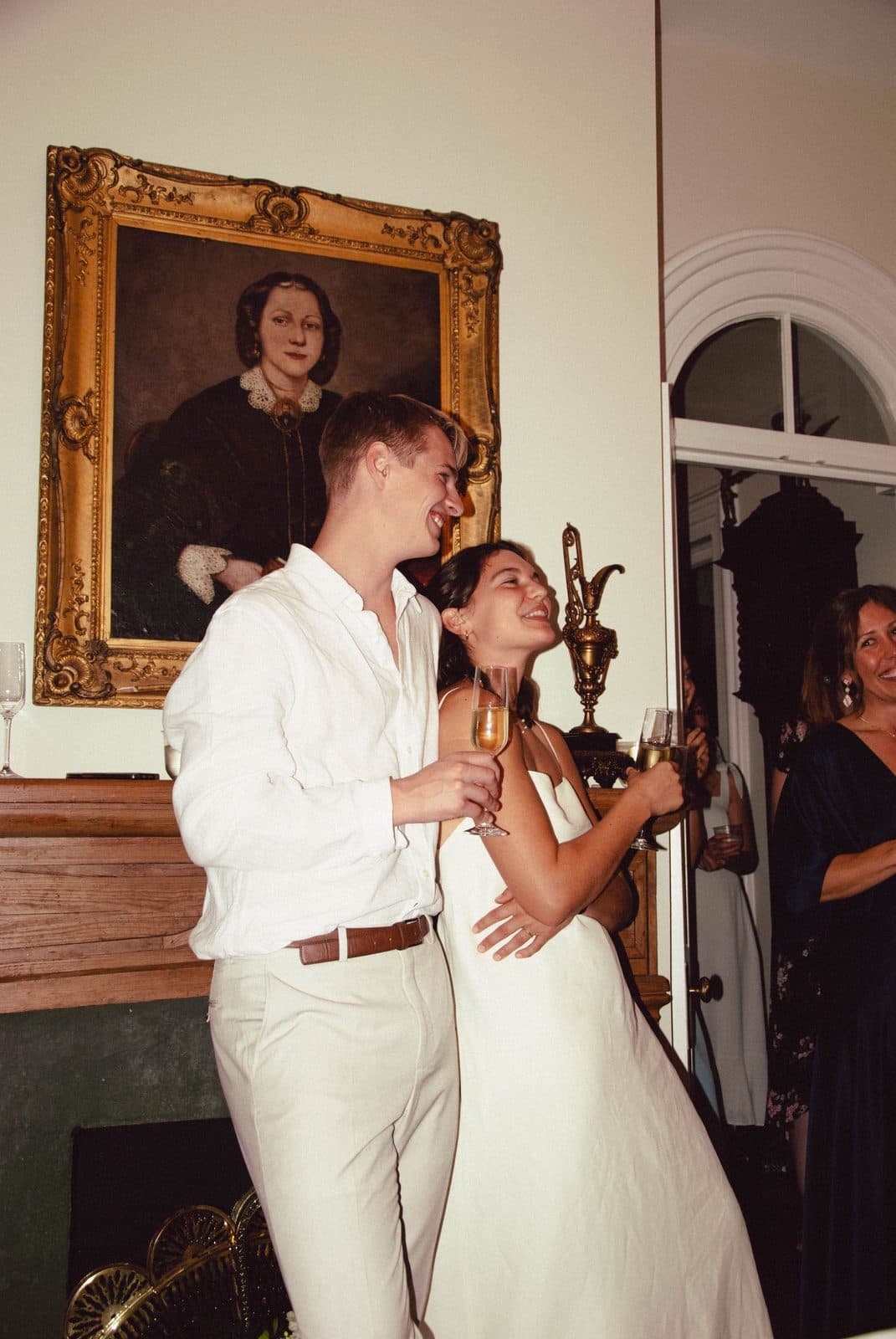
Do you ever find yourself on the couch scrolling through old videos in your camera roll? Most of us do, and most of us also wish we had videos of more moments. Your wedding day is one of the most important days of your life, so why skip the one vendor who can let you relive it? It’s true that we don’t frame videos the way we frame photographs. But video is a little bit of magic: it lets you hear the vows again, see your grandmother dancing and feel the room in a way a still photo can’t.
Videography is also one of the most commonly cut items in a wedding budget, and one of the most commonly regretted. In this guide we look at seven reasons a professional videographer is worth it, what wedding videography costs in 2026, the kinds of films you can choose from, and how to find the right videographer for your day.
7 reasons to hire a videographer for your event
All the costs that go into a wedding can feel overwhelming, and it’s smart to DIY some parts of your day to save. Videography isn’t one of them. Capturing clean audio of your vows, steady footage in a dark reception and a story that’s edited to feel like your day takes professional equipment and a lot of experience. Here’s why it’s worth leaving to a pro.
1. Behind the scenes
A wedding videographer lets you see the parts of the day you weren’t there for, like your partner getting ready. You’ll see the wedding party hyping them up, feel their excitement and nerves, and watch their reaction to the letter or gift you sent over. A professional wedding film shows you everything that happened before you met at your first look or at the end of the aisle. These are some of the most wholesome moments of the day, and without video, you’d only ever hear about them.
2. A wedding is more than the ceremony
Many people hear “wedding videographer” and picture a recording of the ceremony. So much more goes into a wedding. Part of a videographer’s job is to document the whole story: getting ready, the ceremony and reception spaces you spent months designing, the fun of wedding party photos, and every big moment, from the vows to the first dance, the toasts and the send-off.
The ceremony is also when you’ll be at your most nervous, which means you’ll remember the least of it. Why settle for a shaky phone video taken by your aunt while she cried at how gorgeous you look? Don’t let the details you worked so hard on be lost after the big day. Let them live on in a professional film.
3. No need to worry about feeling awkward
Many couples worry that a video crew will make them self-conscious. In practice, the best videographers are almost invisible. One of the nicest parts of having both a videographer and a wedding photographer is how they work together. Outside of candid moments, your photographer usually directs the posed shots while your videographer captures the action from another angle, and only speaks up if they need something specific.
A good videographer makes you feel safe and comfortable being yourselves, and lets your connection speak for itself. You make the moments; they capture them. Trust your vendors and the research you put into hiring them, and you’ll quickly forget the camera is there.
4. Share your day with guests who can’t make it
We’d all love for everyone we invite to be there, but that’s rarely the case. A friend who is nine months pregnant, a grandparent who can’t travel, a cousin stationed overseas: there are plenty of reasons loved ones miss a wedding. With a professional film, they don’t have to miss all of it. You can share your highlight film with everyone who matters to you, whether they were there or not. Many videographers also offer a livestream of the ceremony, so faraway family can watch it as it happens.
5. A wedding video is a time capsule for your future grandkids
There’s a reason trends come back around, in weddings and in fashion, hair, design and culture. The past is fascinating, especially when it’s personal. Imagine your children and grandchildren watching you on one of the happiest days of your life, full of love and surrounded by it, hearing your voices and seeing how you moved and laughed.
Weddings are also one of the rare times everyone who matters to you is in one place. Parents, grandparents, old friends: a film captures them as they were that day, and that becomes more precious with every year that passes.
6. Personalize the videography style to match your wedding
If your wedding has a theme, like old Hollywood, vintage, fairy tale or something entirely your own, your videographer can help you lean into it. Some videographers shoot on camcorders, Super 8 film or other vintage-style cameras for a nostalgic, grainy look. Others use modern cinema cameras with customizable packages: a voiceover built from your vows and toasts, drone footage of the venue, or a short social media teaser you can post the week after the wedding.
Watch full films, not just highlight reels, from a few videographers and you’ll quickly find a style you love, whether that’s documentary and natural, cinematic and dramatic, or playful and fast-cut.
7. Not hiring a videographer is one of the most common wedding regrets
Time and again, couples tell us they wish they’d hired a videographer. It’s easy to assume a video will sit unwatched in a folder. But hearing your vows again, or your dad’s toast, or the whole room singing along to your last song, hits differently years later.
Marriage takes work, and sometimes remembering where it all began is exactly what you need. How sweet would it be to start a tradition of rewatching your wedding film on every anniversary? Take the chance to have your love story documented while it’s happening.
How much does a wedding videographer cost in 2026?
Wedding videography prices vary widely with hours of coverage, the number of shooters, the editing and the videographer’s experience. Here are typical 2026 ranges, based on published videography pricing across several 2026 guides. Treat them as estimates; your area and date will move them.
| Package | Typical coverage | Typical range |
|---|---|---|
| Essential | 3–5 hours, short highlight film | $1,000–$2,000 |
| Classic | 6–8 hours, highlight film plus full ceremony | $2,000–$4,000 |
| Cinematic | 8–12 hours, two shooters, feature film | $5,000–$10,000+ |
Common add-ons, also 2026 estimates:
- Second shooter: about $500 to $1,500
- Extra hour of coverage: about $200 to $400
- Drone footage: often a few hundred dollars, where the venue and local rules allow it
- Full ceremony and toasts edits: sometimes included, sometimes a few hundred dollars each
- Raw footage: often a few hundred dollars
- Ceremony livestream: often a few hundred dollars to about $1,000
- Rush editing or a same-day edit shown at the reception: often $1,000 or more
Photographer, videographer or both?
If your budget only stretches to one, most couples choose a photographer, and that’s a sensible call: photos go on the walls, in albums and on thank-you cards. But photos and video do different jobs. A photo freezes a moment; a film carries the voices, the laughter, the music and the way people moved. Your dad’s toast, the catch in your partner’s voice during the vows, the whole room singing along: none of it survives in a still image.
If you’re torn, there are middle paths. Book a photographer who works with a videographer and ask for a combined package. Book a shorter video package that covers only the ceremony and toasts. Or ask about a documentary-style ceremony film, which is often the most affordable option and preserves the words that matter most. What we’d steer you away from is relying on guests’ phones: the audio is rarely usable, and the people filming are the ones you want in the moment, not behind a screen.
Types of wedding films
When you compare packages, you’re mostly comparing what you get at the end. Here are the common deliverables:
- Highlight film. Usually 3 to 8 minutes, set to music, telling the story of the day. This is the one you’ll share and rewatch most.
- Feature film. A longer edit, often 15 to 30 minutes, with more of the ceremony, toasts and reception.
- Full ceremony and toasts. Unedited or lightly edited, multi-camera recordings of the ceremony and speeches, so every word is preserved.
- Social teaser. A vertical clip of 30 to 90 seconds, ready to post, often delivered within a week or two.
- Raw footage. Everything that was filmed. Useful for the archive, but most couples rarely watch it.
Ask how long each takes to deliver. Highlight films commonly arrive in about two to four months, and longer edits can take more, especially after a busy fall season. Get the delivery timeline in your contract.
How to choose the right wedding videographer
- Watch full films. Highlight reels show a videographer’s best 30 seconds. A full film shows how they handle the dark reception, the windy ceremony and the toast that runs long.
- Listen to the audio. Clear vows and speeches are what make a wedding film last. Ask how they mic the officiant, the couple and the toasts.
- Find your style. Documentary, cinematic, vintage or editorial. Choose someone whose existing work you love, rather than asking them to change their style.
- Check how they work with photographers. A videographer who already works well with your photographer, or shares a studio with them, makes the day smoother.
- Meet them. They’ll be beside you all day. A short call tells you a lot about whether you’ll feel comfortable on camera.
For more on choosing your photo and video team together, see what to know when hiring a wedding photographer.
Questions to ask before you book a videographer
- Are you available on our date, and will you personally film our wedding?
- How many hours are included, and what does an extra hour cost?
- Is a second shooter included or recommended for our size?
- Which films do we receive, how long is each, and when are they delivered?
- How do you record audio for the vows and toasts?
- Can we choose the music, and is it properly licensed for sharing online?
- Do you offer drone footage or a livestream, and are you licensed for drone work?
- How many edit revisions are included?
- How do you back up footage, and how long do you keep it?
- What’s your deposit, payment schedule and cancellation policy?
For questions that apply to every vendor, see the wedding vendor checklist.
What your videographer does on the day
It helps to know where the hours go. For a 4:30 p.m. ceremony with eight hours of coverage, a typical day looks like this:
- 12:30 p.m., details and getting ready. The dress, rings, invitations and the last of hair and makeup, plus the letters or gifts you exchange.
- 2:30 p.m., first look and portraits. Filmed alongside your photographer, mostly from a distance.
- 4:00 p.m., ceremony setup. Microphones on the officiant and the couple, cameras placed for the processional and vows.
- 4:30 p.m., ceremony. Usually two or more angles, so nothing is missed.
- 5:00 p.m., cocktail hour and the reception room. Guests, details and the room before anyone sits down.
- 6:00 p.m. to 8:30 p.m., reception. Entrances, toasts, first dances, cake cutting and the opening of the dance party, often ending with a staged send-off.
Share your timeline with your videographer and DJ early. Toasts are the hardest moment to capture well, and a videographer who knows when they’re coming can plug into the DJ’s sound system for clean audio.
How to get the most from your wedding film
- Leave a few quiet minutes in the timeline for the two of you; those moments often become the heart of the film.
- Write letters to each other. Reading them on camera adds a voiceover only you could give.
- Tell your videographer about the people who matter most, so they make sure to capture them.
- Ask your officiant to step aside for the kiss, so nobody is standing between you and the camera.
- Consider an unplugged ceremony, so guests’ phones aren’t in every shot.
- Plan good light for key moments; an evening reception lit only by overhead lights is hard to film beautifully.
Ways to fit a videographer into your budget
- Book shorter coverage. Four to six hours from the last of getting ready to the first dances captures most of what matters.
- Choose a highlight film only. Skip the feature film and ask for the full ceremony as an inexpensive add-on.
- Bundle photo and video. Studios that offer both often discount the pair.
- Choose an off-peak date. Fridays, Sundays and winter weddings often come with lower rates.
- Hire a newer videographer from an established studio. You get the studio’s equipment, editing and backup at a lower rate.
- Trade elsewhere. If video matters to you, a smaller cake, simpler favors or fewer centerpieces can pay for it. See what to splurge on for a wedding.
Videographers are great for any event
Weddings aren’t the only important moments in life. A videographer can capture a rehearsal dinner or welcome party, an engagement story, a milestone birthday, a baby shower, an anniversary or a vow renewal. Businesses hire videographers for product launches, awards nights and company parties too: the footage becomes marketing for social media and shows your culture to future hires. If you love your wedding videographer, ask whether they’ll film your next big moment as well.
Common questions
Is a wedding videographer worth it? For most couples, yes. It’s the only way to hear your vows, toasts and voices again, and skipping video is one of the most common regrets couples share after the wedding.
How many hours of video coverage do we need? Six to eight hours covers getting ready through the main reception moments for most weddings. Four to five hours can work if you focus on the ceremony and key reception events.
Do we need a second shooter? For weddings over about 100 guests, for getting ready in two places at once, or if you want several angles of the ceremony, a second shooter makes a real difference. For a small wedding in one location, one experienced videographer with a couple of fixed cameras is often enough. Ask to see a film each way and decide whether you can tell the difference.
When should we book a videographer? About 9 to 12 months before the wedding, often right after your photographer, and earlier for peak spring and fall Saturdays.
Should we tip our videographer? It’s optional. If they own the business, a thank-you note and a review mean a lot; for associate shooters and assistants, $50 to $200 each is common.
Our Day can help you find the perfect wedding videographer
A great videographer gives you something you’ll treasure for the rest of your lives: your day, in motion and in sound, exactly as it felt. Now that you know what to look for and what it costs, you’re ready to find yours.
Tell Our Day about your wedding, the style of film you love and your budget, and we’ll match you with up to six vetted videographers who are available on your date and in your budget, with Our Day-exclusive pricing. Compare their quotes, portfolios and reviews, and schedule calls, all in one place. Tell us about your day or browse wedding vendors near you.
Package and add-on ranges are 2026 estimates from published videography pricing. Our Day figures are quotes photographers and videographers sent couples and budgets couples set on Our Day in 2026. All figures are estimates.