
Planning
Wedding rentals guide: what you actually need
What to rent for your wedding, what it costs in 2026, how many of each you need for 100 guests, and the logistics that keep rentals stress-free.
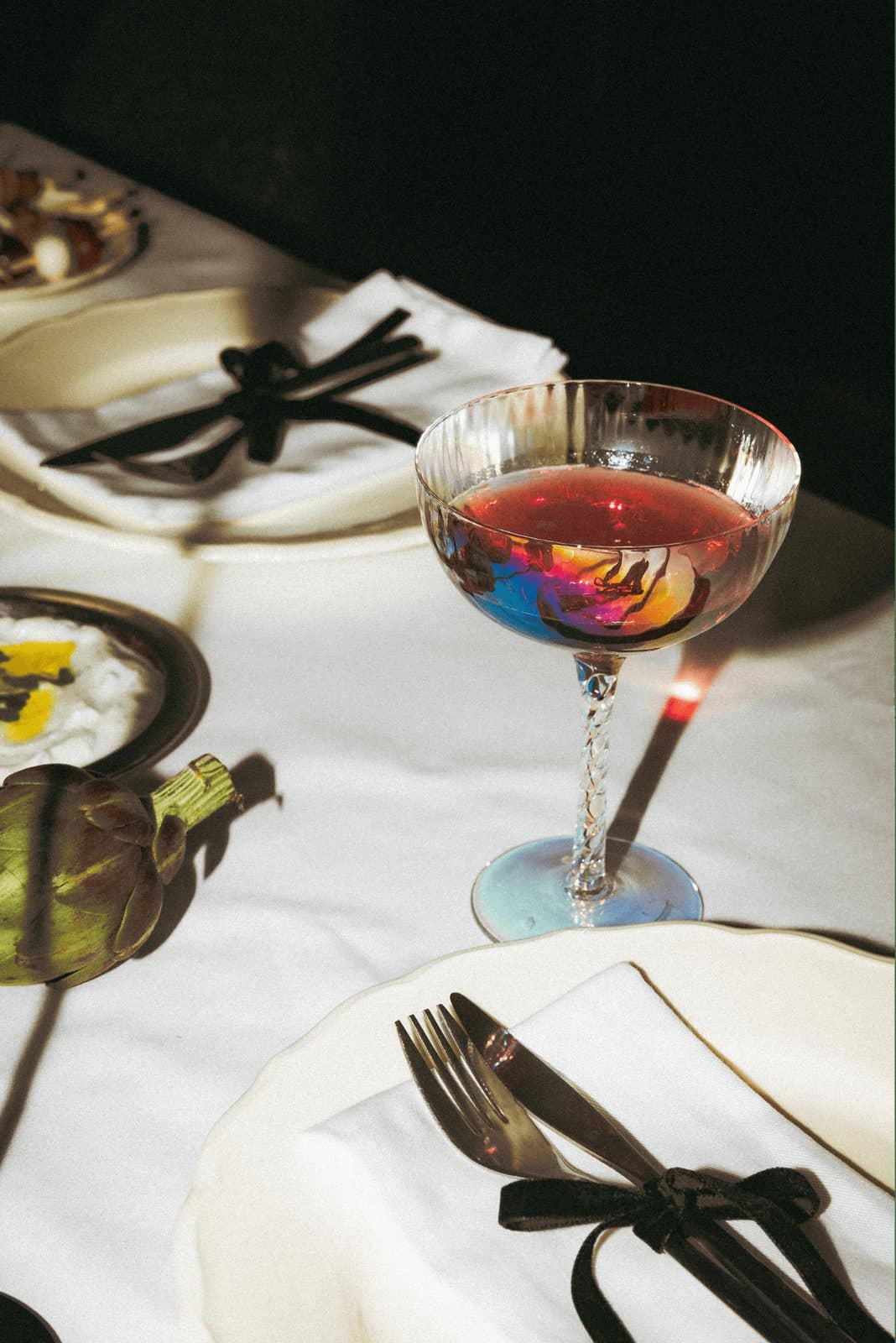
When it comes to bringing your wedding vision to life, rentals play a starring role. Tables and chairs, linens, lighting and specialty decor turn a blank venue into a celebration that fits your style and looks after your guests. But with so many options, how do you know what’s essential, and how do you avoid paying for extras you don’t need?
This guide explains every major rental category, what each costs in 2026, how many of each you actually need, and the must-haves and nice-to-haves for your day. It also covers the logistics that trip couples up, from delivery windows to damage fees, so your rentals arrive on time, look right and go back without surprises.
Why wedding rentals matter
Rentals supply the event essentials your venue may not:
- Tables, chairs and place settings for every guest
- Linens and napkins that match your palette
- Decor, centerpiece vessels and statement pieces
- Lighting for atmosphere: string lights, chandeliers, uplights
- Dance floors and staging for your entertainment
- Tents, arches and ceremony backdrops
- Bars, lounge furniture, signage and accessories
Without them, even the prettiest venue can feel incomplete, and some venues, like a field, a family farm or a backyard, have nothing at all. Rentals are also one of the easiest budget lines to underestimate, because they’re a long list of small numbers that multiply by your guest count.
Step 1: confirm venue inclusions
Before you book anything, read your venue contract closely:
- Are tables and chairs included for both the ceremony and the reception? How many, and what style?
- Does the venue provide linens, china, flatware and glassware, or does your caterer?
- Is there a built-in dance floor or stage?
- Is there basic lighting, or do you need to create the atmosphere?
- Is a tent required for outdoor spaces, or is there a rain plan indoors?
- Are bars, buffet tables or dessert stations included?
- Are there restrooms, power and parking enough for your guest count?
Make two lists: everything the venue provides, and everything you’ll need to supplement. Then ask your caterer the same questions. Many caterers supply plates, glassware and linens, or rent them for you, and you don’t want to order them twice.
What wedding rentals cost in 2026
Here are typical 2026 rental prices, based on published rental pricing across several 2026 guides. Treat them as estimates; prices vary by region, style, quantity and how far the company has to travel.
| Item | Typical range |
|---|---|
| Folding chair (each) | $2–$5 |
| Chiavari or cross-back chair (each) | $6–$12 |
| Round or banquet table (each) | $10–$20 |
| Cocktail highboy table (each) | $15–$30 |
| Tablecloth (each) | $10–$35 |
| Cloth napkin (each) | $0.75–$2.50 |
| Place setting: plates, flatware, glasses (per guest) | $3–$8 |
| Charger plate (each) | $1–$4 |
| Dance floor, standard | $400–$1,500 |
| Uplight (each) | $25–$65 |
| Tent structure only | $500–$2,800 |
| Tent for 100 guests with sidewalls, lighting and floor | $4,000–$8,000 |
| Lounge furniture grouping | $150–$500 |
| Delivery, setup and pickup | $75–$500+ |
A basic package of tables, chairs and linens often works out to about $5 to $15 per guest, or roughly $700 to $1,500 for 100 guests. Add place settings, a dance floor and lighting and you’re more often at $2,500 to $5,000. A full tented wedding on an empty site, with restrooms, a generator and everything else brought in, can cost far more than the rentals for a furnished venue.
What you’ll rent depends on your venue
The same 100-guest wedding can need almost no rentals or a full truckload, depending on where it is:
- Hotels, banquet halls and all-inclusive venues. Tables, chairs, basic linens, place settings and usually a dance floor are included. You might rent only upgrades: specialty linens, chargers, lounge furniture or lighting.
- Restaurants. Nearly everything is in place. Rentals are usually decor, perhaps a ceremony arch or a few cocktail tables.
- Barns, lofts and event spaces. Many include tables and chairs but not linens, dishes or lighting. Some include nothing. Ask for the inventory list in writing.
- Private properties and backyards. You’re renting everything: tent, tables, chairs, dishes, lighting, restrooms, a generator and sometimes a catering tent. Budget for it early, because it often rivals a venue fee.
- Parks and beaches. Expect permits, rules about what can be set up and when, and tighter delivery access. Some don’t allow tents or amplified sound at all.
If you’re still choosing a venue, ask every one for its inventory list and its rules on outside rentals. See everything to ask before booking a wedding venue.
Step 2: identify your must-have rentals
Here’s what most couples who need rentals end up ordering:
- Tables and chairs: guest tables, a sweetheart or head table, cake and gift tables, cocktail tables
- Linens and napkins in sizes that fit the tables and colors that fit the palette
- Plates, glassware and flatware for dinner, drinks and dessert
- A dance floor if the venue doesn’t have one
- Lighting: string lights, uplights, lanterns or chandeliers
- An arch or ceremony structure
- A bar setup: a bar, dispensers and coolers
- Signage and easels for the welcome sign and seating chart
- Lounge furniture for cocktail hour or a photo spot
- A tent for outdoor receptions or as a weather backup
Start with what guests need to eat, sit and celebrate comfortably, then add extras as your budget allows. A quick test for each item: would a guest notice if it were missing? Chairs, yes. Gold-rimmed chargers, probably not.
How much do you actually need? A 100-guest worksheet
Underestimating quantities is one of the most common rental mistakes, and over-ordering wastes money. Here’s a starting count for a seated dinner of 100 guests, the typical size for couples planning on Our Day. Adjust it to your layout.
| Item | Quantity | Rule of thumb |
|---|---|---|
| Guest tables (60-inch rounds) | 11–13 | 8 to 10 guests per table |
| Head or sweetheart table | 1 | Plus cake, gift, card and escort tables |
| Reception chairs | 100 | One per guest, plus vendor seating if needed |
| Ceremony chairs | 0–100 | Zero if you flip the reception chairs |
| Cocktail highboys | 8–12 | Room for a third to half of guests at once |
| Napkins | 110 | Order 5% to 10% extra |
| Place settings | 105–110 | Order 5% to 10% extra |
| Dance floor | About 15 x 15 ft | 4 to 5 sq ft per dancing guest |
| Tent (if needed) | About 1,500–2,000 sq ft | 15 to 20 sq ft per guest with dancing |
Two quantities trip people up. First, place settings: a plated dinner might need a salad plate, dinner plate, bread plate and dessert plate, two forks, a knife, a dessert fork, a water glass, a wine glass and a champagne flute per guest, and the bar needs its own glassware. Ask your caterer for an exact list. Second, the dance floor: plan for 40% to 50% of guests dancing at the peak, not everyone at once. Have your rental company or planner draw a floor plan, because a layout on paper catches problems a guess won’t.
A sample rental budget for 100 guests
Here’s what a typical order might look like for a 100-guest wedding at a barn or event space that includes the building but not the furnishings, priced with the 2026 estimates above.
| Item | Quantity | Estimate |
|---|---|---|
| Cross-back chairs | 100 at $8 | $800 |
| Tables (guest, head, cake, gift, buffet) | 19 at $15 | $285 |
| Tablecloths | 19 at $18 | $342 |
| Napkins | 110 at $1.25 | $138 |
| Place settings | 105 at $5 | $525 |
| Cocktail highboys | 10 at $20 | $200 |
| Dance floor | 15 x 15 ft | $750 |
| Uplights | 12 at $40 | $480 |
| String lights | One reception room | $700 |
| Lounge grouping | 1 | $300 |
| Delivery, setup and pickup | One trip each way | $350 |
| Total before tax and damage waiver | All items | About $4,870 |
Many rental companies also add a damage waiver, often around 7% to 10% of the order, plus sales tax. Swap the cross-back chairs for folding chairs and skip the lounge and uplights, and the same order drops by about $1,200. Add a tent and it can more than double. The point isn’t the exact number; it’s to price your own list early, before the venue decision is final.
Step 3: specialty rentals and decorative extras
Once the basics are covered, explore the creative options:
- Charger plates and specialty glassware, like colored goblets or vintage coupes
- Candelabras, lanterns and votive holders
- Vintage or themed furniture for a lounge
- Colorful or patterned linens for statement tables
- Custom bars for cocktails or desserts
- A photo backdrop and props
- Arches, draping or a frame for floral installations
- Heaters, fans or a pavilion, depending on the season
- China, tea sets or serving platters for a vintage-inspired event
Personalize, but don’t overdo it. Pick one or two statement rentals that show your style, like a striking linen or a great lounge, and keep the rest simple. Ask your florist and planner what they own: many have arches, vases and candleholders they’ll include for less than a rental company would charge.
Lighting: the rental most worth prioritizing
If you only upgrade one thing, make it the lighting. It changes how a room feels, how your photos look and how long guests stay on the dance floor, and it often costs less than an upgrade in chairs or linens across 100 guests.
- String or bistro lights make barns, tents and patios feel warm and festive. Ask whether hanging them is included, since it often takes a lift.
- Uplights wash walls in a soft color and hide a plain room. A dozen is plenty for most receptions; your DJ may offer them too.
- Candles on every table add the glow that makes evening photos beautiful. Check open flame rules and use enclosed votives or quality LED candles where flames aren’t allowed.
- Pathway and practical lighting keeps guests safe between the ceremony, reception, restrooms and parking after dark, which outdoor and private-property weddings often forget.
Visit your venue at the time of day your reception will happen. A space that’s full of light at 2:00 p.m. can be very dark by 8:00.
Step 4: logistics and delivery details
Ask every rental company:
- What are the delivery and pickup windows, and can you pick up the same night?
- Is setup and breakdown included, or do we need our own crew?
- Do linens and dishes come back dirty, or do we need to rinse or sort them?
- Who pays for damage, cleaning or missing items, and is there a damage waiver?
- Is there a minimum order?
- How much space and access do you need for unloading and staging?
- What happens to tents, linens and furniture if the weather turns?
- When is the final count due, and can we add items later?
Many venues require rentals to be picked up the same night or by a set time the next morning, and same-night pickup often costs extra. Confirm everything in writing, share the delivery schedule with your venue and planner, and keep every vendor’s day-of contact in one place.
A typical rental timeline for a Saturday wedding: a tent goes up Wednesday or Thursday, so there’s time to fix problems; tables, chairs and the dance floor arrive Friday or Saturday morning; linens, place settings and decor are set Saturday midday, after the space is clean; and everything is struck that night or Sunday morning. Ask your venue when you have access, because a venue with another event the night before can squeeze all of this into a few hours, and that changes how many people you need to set up.
Step 5: streamline your rentals for budget and efficiency
Rent only what your guest count and room layout actually need:
- Count real chairs, tables and plates from your floor plan instead of guessing.
- Mix rentals with what the venue and caterer provide to fill gaps.
- Skip costly extras, like colored chargers or an oversized dance floor, unless they truly matter to you.
- Ask about package pricing across categories, such as tables, linens and lighting together.
- Combine orders with your planner and caterer to pay one delivery fee instead of three.
- Buy small items like signage, votives or card boxes when buying costs less than renting.
- Ask for better rates on large quantities or flexible dates, like a Friday or Sunday.
- Flip the ceremony chairs to the reception instead of renting two sets, if the timeline allows.
Strategic choices get your budget much further. A room with simple folding chairs and beautiful lighting usually looks better than a room with expensive chairs and harsh overhead lights. For other ways to stretch your budget, see budget-friendly wedding planning tips.
Common pitfalls to avoid
- Double-booking items. Your caterer, florist and rental company can each supply tables, linens or vases. Assign each item to one vendor.
- Booking late. Tents, specialty chairs and popular linens book out for peak weekends. Reserve early.
- Underestimating quantities. Remember cocktail hour seating, vendor tables and the extra tables for gifts, cards, the guest book and dessert.
- Skimping on lighting. Atmosphere is worth the investment, and outdoor receptions get dark sooner than you think.
- Ignoring the weather. Outdoor events need a plan for rain, wind, heat and cold, decided well before the week of the wedding.
- Ignoring venue rules. No open flames, maximum dance floor sizes, no staking into lawns, load-in limits: know them before you order.
- Forgetting the infrastructure. On a private property or open-air site, restrooms, power, lighting for pathways and parking may all need renting too.
Working with a professional makes a real difference here. Your planner or venue coordinator has seen every one of these go wrong; see how much a wedding planner costs if you’re weighing the help.
Sample wedding rental checklist
- Tables: guest tables, head or sweetheart table, cake, gift and card tables, cocktail tables, vendor and buffet tables
- Chairs: ceremony, reception and lounge seating
- Linens: tablecloths, runners and napkins in your colors and materials
- Place settings: chargers, plates, flatware and glassware
- Lighting: string lights, chandeliers, lanterns and uplights
- Dance floor
- Bar: bar structure, dispensers, coolers and drinkware
- Ceremony: arch or backdrop, aisle runner, sound for the officiant
- Lounge furniture
- Tent and weather: tent, sidewalls, heaters or fans
- Site needs: restrooms, generator, pathway lighting, trash and recycling
- Decor and accessories: candles, signs, easels, photo backdrop and props
Pro tips for seamless rental management
- Book rentals at least three to six months ahead, and tents and specialty items earlier.
- Ask for a mock-up, a mood board or a showroom visit to see linens and chairs together.
- Double-check measurements for the dance floor, tent, tables and staging against the space.
- Have one point person on the day for rental questions and emergencies.
- Use one supplier for tables, chairs, linens and lighting when you can, to save on delivery.
- Read the damage and cancellation policies before you sign.
- Count every item on delivery and again at pickup, and photograph anything damaged.
- Prepare for weather with sidewalls, heaters, fans and a backup plan.
- Decide who is responsible for returns: your planner, a friend or yourselves.
- Keep a box for the small rentals, like card boxes, signs and table numbers, so nothing goes home with a guest.
Common questions
How far ahead should we book wedding rentals? Three to six months is typical, and six to twelve months for a tent or specialty items on a peak spring or fall Saturday.
Is it cheaper to buy or rent? Rent anything you need in quantity, like chairs, tables, linens and dishes. Buying only makes sense for small, inexpensive items you can reuse or resell.
Do we need a tent for an outdoor wedding? If there’s no indoor backup, yes, or at least a tent on hold. Many rental companies let you reserve one with a decision deadline a week or so before the wedding.
Who sets up and takes down rentals? It depends on the order. Large items like tents and dance floors are always installed by the rental company. Tables, chairs and linens may be set by the rental company, the caterer, your planner or the venue, so ask each one exactly what they’ll do.
What is a damage waiver, and do we need it? It’s an optional or required fee, often a percentage of the order, that covers normal wear and accidental damage. It usually doesn’t cover lost items or serious damage, so read what it excludes before you decide.
Can we mix our own things with rentals? Yes, and it’s a great way to personalize the day: family china for the head table, thrifted vases, a grandparent’s quilt in the lounge. Label everything you own, keep it in one marked box, and assign a friend to pack it at the end of the night so it doesn’t go back to the rental company or the caterer by mistake.
How Our Day makes rentals easy
Your rentals depend on the rest of your vendor team: the venue you choose decides what you need, and your caterer and planner often supply or manage much of it. Getting those bookings right is the first step to a rental list that’s just right.
Tell Our Day about your wedding, your guest count and your budget, and we’ll match you with up to six vetted vendors in each category you need, all available on your date and in your budget, with Our Day-exclusive pricing. Compare their quotes, portfolios and reviews, and schedule calls, all in one place. Tell us about your day or browse wedding vendors near you.
Rental prices are 2026 estimates from published rental pricing; quantities are common rules of thumb. Our Day figures are quotes venues sent couples on Our Day in 2026. All figures are estimates.