
Vendors
DJ vs. live band: which is right for your wedding?
DJ, live band or both? Compare the pros, cons, 2026 costs and venue logistics of each so you can pick the music that fits your wedding.
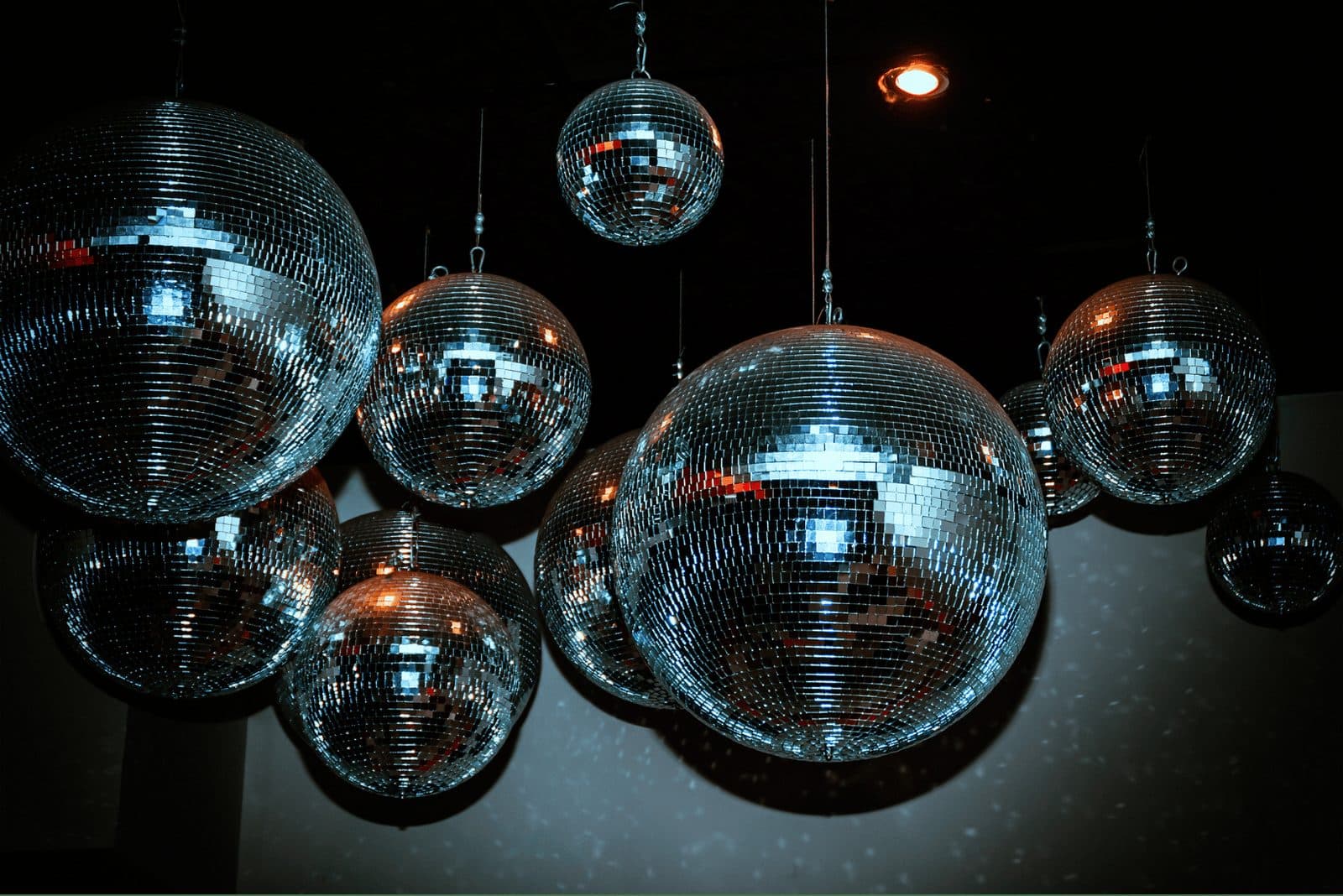
Your music shapes the mood of your whole wedding, from the walk down the aisle to the last song of the night. One of the biggest questions couples face is whether to book a high-energy DJ, a classic live band, or a bit of both. With guest lists that span generations and tastes, the right choice keeps everyone on the dance floor and makes your celebration memorable for all the right reasons.
Here’s an honest breakdown of the pros and cons of each, what they cost in 2026, the logistics most couples don’t think about until it’s too late, and how to decide with confidence.
Why your entertainment choice matters
Music is the emotional heartbeat of a wedding. It isn’t background noise; it’s a memory-maker. Your entertainment:
- Sets the tone, from a romantic ceremony to an all-out party
- Runs the flow of the day: entrances, toasts, cake cutting and dances
- Keeps guests entertained between the formal moments
- Creates atmosphere, nostalgia and joyful surprises
- Gets guests of every age onto the dance floor
- Reflects your story and your personalities
Your music vendor is also usually your master of ceremonies, the voice on the microphone that keeps the evening on schedule. They introduce you and your wedding party, set up the toasts, announce dinner and the cake cutting, and call guests to the dance floor. That role matters as much as the music itself. Whichever option you choose, make sure someone on the team is a confident, warm MC; with a band, it’s usually the bandleader or lead vocalist, so ask to see them do it.
The case for hiring a DJ
DJs are incredibly versatile. They can adapt to every transition, take requests and change direction the moment the dance floor tells them to. A good wedding DJ offers:
- Access to virtually any song in any genre, in the original recording
- Easy handling of requests from you and your guests
- Seamless transitions from ceremony to dinner to dancing
- Flexibility with timing, mixing and changes on the fly
- Polished cues for special moments, like the first dance and bouquet toss
- Simple logistics: one or two people to coordinate and feed
- A price that’s usually a fraction of a full band
- A small footprint, ideal for small venues, restaurants and rooftops
A DJ can build a dance party to rival any club, or keep things low-key and classic. It’s all about your vibe and the DJ’s skill at reading the room.
Cons of DJs
- No live performance, which some guests love
- The atmosphere depends heavily on the DJ’s personality and crowd-reading
- Some guests may miss the energy of musicians on stage
- Poor equipment or inexperience can make the sound flat
Vet your DJ for professionalism, energy and MC skills. Watch video of them at a real wedding, not just a promo reel, and ask what equipment they bring.
The case for hiring a live band
A live band is an experience. Musicians on stage electrify a room in a way recorded music can’t. A great band brings:
- Performance energy that turns a reception into a show
- Unique versions of classic and modern songs
- Personal touches, like learning your first dance song
- Visual wow factor: vocalists, horns, strings
- Guest interaction and sing-alongs
- A natural fit for vintage, jazz, soul, rock and roll or black-tie weddings
- A one-of-a-kind night your guests talk about afterward
For couples who love live music or want a bold, memorable celebration, a band is hard to beat.
Cons of live bands
- Higher cost, since you’re paying several musicians
- Limited to the band’s repertoire, which may not cover every style or the newest hits
- Louder, which can be hard in small rooms or venues with sound limits
- Need more space for a stage and gear
- Play in sets, with breaks a DJ doesn’t need
- More people to coordinate, feed and fit into setup and sound check
Listen to live recordings, not just studio demos, review their full song list, and ask how flexible they are with requests.
What each option costs in 2026
Budget is often the deciding factor, so here are realistic 2026 ranges. Treat them as estimates; your area, date, hours and the number of musicians move every number.
| Option | Typical range |
|---|---|
| Wedding DJ with MC (Our Day median $1,800) | $1,125–$2,825 |
| Ceremony or cocktail-hour musicians (solo to quartet) | $400–$1,500 |
| Small band (3–5 pieces) | $3,000–$7,000 |
| Large band (8 pieces or more) | $8,000–$15,000+ |
The DJ range is the middle half of DJ quotes vendors sent couples on Our Day in 2026. Most couples who hire a band spend roughly $3,000 to $8,000, according to published 2026 guides, with large show bands in major cities well above that. Each additional musician adds to the price, and travel, extra sound equipment and overtime can add more.
Don’t forget the hidden costs of a band: more vendor meals, a larger stage area, sometimes a separate sound engineer, and often a recorded playlist or DJ during their breaks. Ask every band whether those are included in the quote.
Ultimate comparison table
| Feature | DJ | Live band |
|---|---|---|
| Repertoire | Nearly unlimited, any genre, takes requests | Limited to the band’s song list |
| Sound and style | Crisp original recordings | Vibrant, unique live versions |
| Budget | Often a quarter to half the cost of a full band | Higher fee, more musicians |
| Guest interaction | Depends on the DJ’s skill | High: vocalists lead the room |
| Setup and space | Compact, fits small venues | Needs a stage, power and more setup time |
| Energy | Driven by song choice, lighting and sound | Infectious, can work the room |
| Flexibility | Can change music instantly | Set breaks, fewer on-the-fly changes |
| Customization | Any request, custom edits and mixes | Live versions, can learn your song |
| Visual flair | Uplighting, effects, video | Instruments, costumes, choreography |
How to decide: five questions
If you’re still torn, answer these honestly. They settle it for most couples.
- What’s your music budget? If it’s under about $3,000, a great DJ will almost always give you more than a stretched band. Above that, both are open to you.
- How big is the venue, and are there sound limits? Small rooms, restaurants and venues with decibel limits or early curfews favor a DJ. A ballroom or large tent can carry a band beautifully.
- Who are your guests? A crowd that spans generations often loves a band’s classics. A crowd that wants current hits, specific remixes or many genres often prefers a DJ.
- Is there a style or theme? Jazz, soul, swing and black-tie weddings come alive with live musicians.
- What do you picture when you imagine the dance floor? A packed floor to the songs you know by heart points to a DJ. A singer pulling guests up to dance points to a band.
Combination and hybrid approaches
Why not both? Many couples in 2026 combine a DJ with a small group or a specialty musician, and it’s often the best of both worlds:
- A DJ for the main dance party and late-night set
- Live strings, jazz or a singer-songwriter for the ceremony, cocktail hour or dinner
- A band for one high-energy set, with a DJ covering their breaks
- A solo musician, like a saxophonist or violinist, playing along with the DJ
- A DJ who also plays live guitar or sings, or musicians who join the dance floor
A hybrid can also be the most budget-friendly way to get live music. On Our Day we’ve seen a ceremony string prelude quoted at about $495 and a cocktail-hour jazz duo at $400, alongside a DJ for the rest of the night. That’s live music where guests notice it most, for a fraction of a full band.
If you combine vendors, decide up front who provides the microphones, who MCs, and who controls the sound between sets, and put each vendor in touch before the wedding.
How the night flows with each option
The biggest practical difference between a DJ and a band is how the music is paced across the evening. Here’s a typical five-hour reception with each.
With a DJ
Music is continuous. The DJ plays during dinner at conversation volume, introduces the toasts, cues the first dance and parent dances, then opens the dance floor and keeps it going without a break until the last song. If a toast runs long or dinner is late, the DJ simply adjusts, and nobody notices.
With a band
A band usually plays in sets, often three or four sets of about 45 minutes, with 15-minute breaks. A common plan is light acoustic music during dinner, a first big dance set after the first dance, a break during cake cutting, then one or two sets to close the night. During breaks, the band plays a recorded playlist, so ask who chooses it. Plan the timeline so your key moments, like the toasts and the last dance, fall during sets rather than breaks.
Neither approach is better; they just feel different. A DJ’s night is seamless. A band’s night has peaks, and when it peaks, it’s hard to beat.
Don’t forget ceremony and cocktail hour music
The reception gets most of the attention, but your ceremony is the most emotional part of the day, and it needs sound too. You have three common choices:
- Your DJ handles it. The simplest and usually the most affordable option, with recorded music and microphones so every guest hears your vows. A separate ceremony location often means a second sound system as an add-on.
- Live ceremony musicians. A violinist, guitarist, harpist or string trio adds a lot of atmosphere for a modest cost, and can continue into cocktail hour.
- Your band plays it. Some bands offer an acoustic ceremony set from a few of their members. Ask whether that’s included or an add-on.
Whoever plays, confirm who provides microphones for your officiant and readers, and do a sound check before guests arrive. Wind, crowds and fountains can swallow a voice outdoors.
Logistics to check with your venue
Music logistics catch more couples out than music choices. Before you sign with a DJ or band, confirm with your venue:
- Space. A DJ needs a table-sized area. A band needs a stage or floor area large enough for every musician, often much more for a large group, plus room to load in.
- Power. Bands and lighting may need dedicated circuits. Outdoor weddings may need a generator.
- Sound limits and curfews. Some venues cap volume or require amplified music to end by a set time.
- Load-in and setup windows. Bands often need an hour or more for setup and a sound check before guests arrive.
- Insurance. Many venues require a certificate of insurance from every music vendor.
- Ceremony sound. If your ceremony is in a separate space or outdoors, you’ll need microphones and speakers there too.
Questions to ask before booking your music
- Can you play our special requests for the ceremony and first dance?
- What’s your style: party anthems, classics, relaxed or a mix?
- What’s included: MC services, lighting, sound system, wireless microphones?
- How do you handle breaks, and what plays during them?
- How do you handle guest requests and our do-not-play list?
- Who will actually perform on the day, and is that in the contract?
- What happens if someone is sick or equipment fails?
- Have you played our venue, and are you comfortable with its space and power?
- Will you coordinate with our planner and other vendors?
- How many meals and what setup space do you need?
For questions that apply to every vendor, see the wedding vendor checklist.
Pro tips
- Book early. Peak Saturdays fill fast for both DJs and bands, often six to twelve months ahead.
- See them live if you can, or watch unedited video from a real wedding.
- Share your timeline and key songs well before the wedding.
- Think about your guests’ favorite eras and genres, not just your own.
- Be honest about your budget and priorities; good vendors tailor packages.
- Give a short must-play list and trust the professionals with the rest.
- Let your MC handle introductions and timeline cues.
- Remember: the right choice is the one that makes you want to dance.
If you’re hiring a coordinator, they’ll keep the music and the timeline in sync. See how much a wedding planner costs for day-of coordination options.
After you book: getting the most from your music
Whichever you choose, a little preparation makes a big difference on the night:
- Plan together four to six weeks out. Walk through the timeline, the entrances, the toasts and any cultural traditions or special dances that need music.
- Keep your lists short. Ten to fifteen must-play songs and a do-not-play list give enough direction while leaving room to read the crowd. With a band, choose from their list and ask early about any special requests.
- Name the exact versions. For your entrance, first dance and parent dances, give the specific recording, or for a band, a reference version and where to fade or end.
- Spell out the names. Write wedding party names phonetically for introductions.
- Connect your vendors. Share your music vendor’s contact with your coordinator, photographer and venue so cues like the cake cutting and send-off land with everyone ready.
Then let them do their job. The best DJs and bandleaders have played hundreds of weddings, and their instinct for when to slow it down or turn it up is exactly what you’re paying for.
Creative entertainment trends for 2026
Beyond the DJ or band, couples are adding entertainment that guests talk about for years:
- Live painters or sketch artists capturing the reception
- Interactive tasting stations for whiskey, wine or desserts
- Surprise choreographed dances with the wedding party
- Themed performers, roaming magicians or caricature artists
- Cold spark or firework finales where venues allow them
- Silent discos with wireless headphones for late-night dancing
- Photo booths and karaoke lounges
- Late-night snacks served on the dance floor
Many of these pair naturally with a DJ, who can cue them in the timeline. If you’re deciding where extra money should go, read what to splurge on for a wedding.
Common questions
Is a band worth the extra cost? If live music is one of your top priorities and your venue suits it, many couples say yes. If it would mean cutting photography or food, a great DJ plus ceremony musicians is usually the smarter split.
How many hours do we need? Usually four to five hours for the reception, or five to six if your music vendor also covers the ceremony and cocktail hour.
Can a band play our first dance song if it’s not on their list? Many will learn one or two special songs, sometimes for a fee. Ask early, and have a recorded version as backup.
How far ahead should we book? Six to twelve months for most dates, and earlier for peak-season Saturdays. Popular bands often book further out than DJs, because there are fewer of them.
Can we just use a playlist instead? You can, and for a very small wedding it can work. But a playlist can’t read the room, introduce your wedding party, run the toasts or rescue a quiet dance floor. If you go this route, put one reliable person in charge of the music and microphone all night, and rent proper speakers.
Do we need to feed the band or DJ? Usually, yes. Most contracts require a vendor meal for each performer working through dinner, so include them in your catering count.
How Our Day makes entertainment booking easy
Choosing between a DJ and a live band is a big decision, and Our Day takes the searching off your plate. Tell us about your wedding, your guest count and whether you want a DJ, a band or both, and we’ll bring back up to six vetted music vendors who are available on your date and in your budget, with Our Day-exclusive pricing.
Compare their quotes, watch their work, read reviews and schedule calls, all in one place. Tell us about your day or browse wedding vendors near you.
DJ figures are quotes DJs sent couples and budgets couples set on Our Day in 2026. Band ranges are 2026 estimates from published wedding music pricing. All figures are estimates.