
Vendors
How to choose a wedding caterer + food style ideas
Seven steps to choosing your wedding caterer, what catering costs per person in 2026, the questions to ask, and food style ideas your guests will remember.
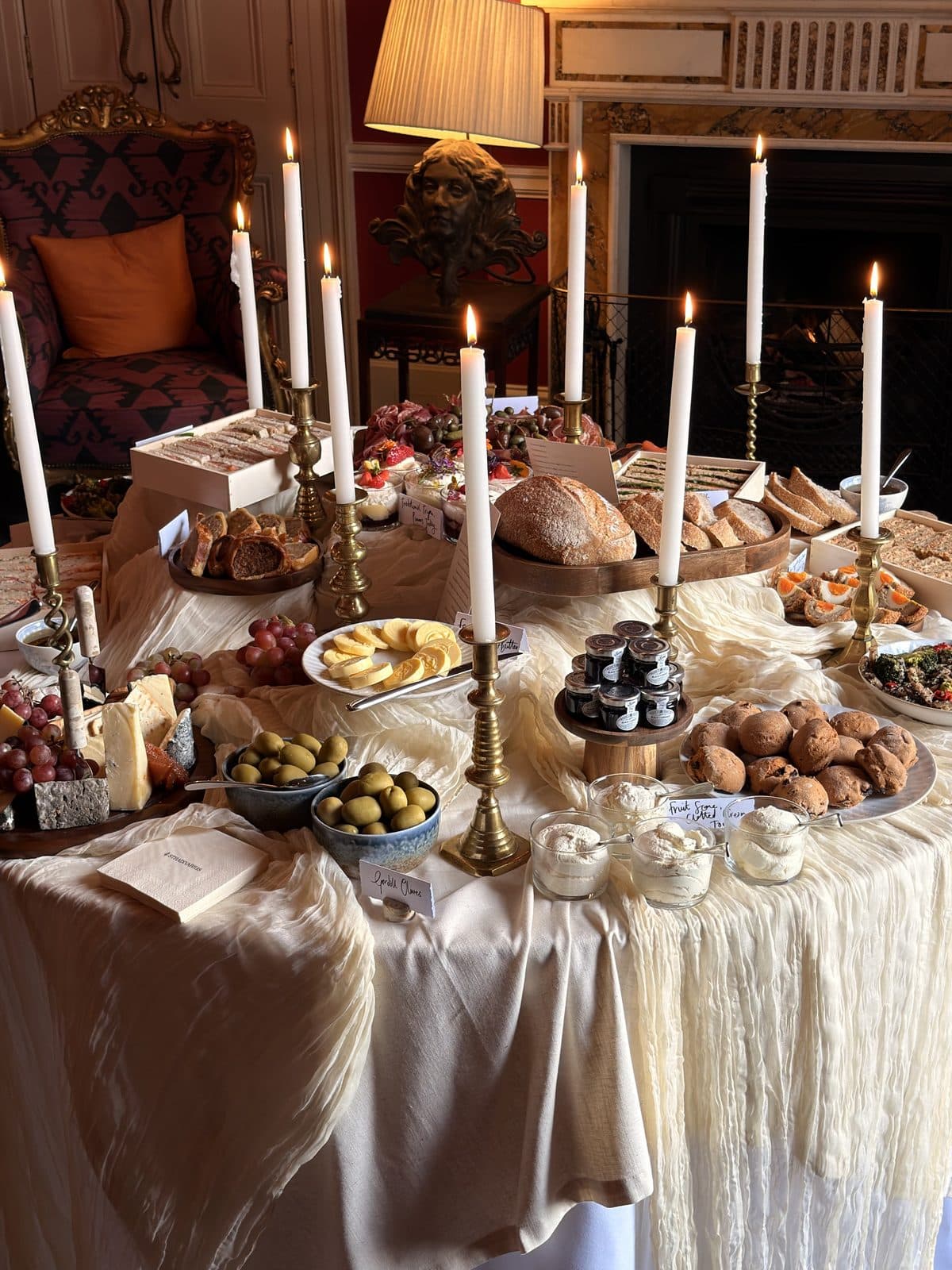
Food is one of the most talked-about parts of any wedding, and for good reason. It fuels the celebration, and your catering style, menu and service set the tone for your guests’ whole experience. Ask anyone about a wedding they went to years ago and there’s a good chance they’ll mention the food, for better or worse.
Catering is also one of the largest lines in most wedding budgets, and one of the most detailed decisions you’ll make. This guide walks you through every step of choosing the right caterer and service style, what catering costs in 2026, and the questions that separate a great caterer from a merely good one, so your wedding meal is both delicious and seamless.
Why your caterer matters
A great wedding caterer does far more than cook. They help you design the entire dining experience:
- Personalized menus that suit your taste, theme and budget
- Attentive, efficient service that keeps the evening flowing
- Real expertise with allergies and dietary restrictions
- Creative food stations and interactive dining experiences
- Smooth coordination with your venue, your planner and your timeline
- Beautiful presentation that makes food part of your decor
Your caterer’s team is also on the floor all night. They clear plates before the toasts, cut and serve the cake, keep the water glasses full and often run the bar. When catering goes well, nobody notices the logistics. When it doesn’t, everyone does: long buffet lines, cold entrees, a timeline that slips by an hour. The right caterer turns every bite into a celebration.
What wedding catering costs in 2026
Catering is usually priced per person, and the service style is the biggest driver of that number because it sets how many staff you need. Here are typical 2026 ranges for food and service, based on published catering pricing across several 2026 guides. Treat them as estimates; your area, menu and guest count will move them.
| Service style | Per person |
|---|---|
| Food truck or drop-off catering | $20–$50 |
| Heavy hors d’oeuvres reception | $35–$80 |
| Buffet | $40–$100 |
| Food stations | $55–$125 |
| Family-style | $60–$120 |
| Plated dinner | $75–$150+ |
| Beer and wine bar | $15–$35 |
| Full open bar | $30–$75 |
On top of the per-person price, most caterers add a service charge of about 18% to 25%, plus sales tax. Some also charge for rentals (plates, glassware, linens), cake cutting, a bartender fee or kitchen equipment if your venue has no kitchen. For 100 guests, a buffet at $60 a person with a beer and wine bar at $25 can land around $10,000 or more once fees and tax are added, so always compare quotes on the full total, not the headline number.
Step 1: define your vision and priorities
Before you reach out to anyone, get clear on what you want:
- Guest count. A big party or an intimate dinner? Your count drives price, service style and which caterers can take you on. If you’re still deciding, see how to build a wedding guest list.
- Service style. Plated, buffet, family-style, stations or passed hors d’oeuvres. More on each below.
- Cuisine. Favorite foods, cultural or family traditions, regional specialties.
- Dietary needs. Yours and your guests’, from vegetarian and vegan to gluten-free and serious allergies.
- Overall feel. Classic, modern, rustic or adventurous?
- Budget. Know your comfortable total, including the bar, fees and tax.
Your caterer will build a proposal around these details and help refine the vision. The clearer you are, the more accurate the first quote will be.
Step 2: research and shortlist vendors
Start with trusted sources and recommendations:
- Your venue. Many venues have preferred or exclusive caterers. Find out early whether you must use one, or whether outside caterers pay a fee.
- Your planner or coordinator. They see caterers in action every weekend and know who runs a tight service.
- Reviews and testimonials. Look for comments about service and timing, not just taste.
- Portfolios and social media. Menus and photos show presentation and style.
Build a shortlist of three to six caterers whose food, hospitality and service style match the experience you want. Check each one’s availability for your date before you go further, especially for peak spring and fall Saturdays.
If your venue has an exclusive caterer, your choice is already made, so put your energy into the menu and the contract. If it allows outside caterers, ask about any outside vendor fee, the kitchen (a full kitchen, a warming kitchen or nothing at all), and whether caterers must carry specific insurance. A venue with no kitchen can still work well, but your caterer will need to bring equipment, power and water plans, which can add cost.
Step 3: schedule tastings
Nothing tells you more than a tasting. Many caterers offer one before you book, sometimes for a small fee that’s credited back if you sign, and others offer a full menu tasting once you’re under contract.
- Sample a range of appetizers, entrees and sides, and dessert if they make it.
- Look for flavor, freshness, creativity and presentation.
- Ask how the dish will change when it’s made for 150 instead of four.
- Try both classic favorites and something more unusual.
- Ask about seasonal, local and dietary substitutions.
- Notice the hospitality: how they listen and answer questions is how they’ll treat your guests.
Bring your partner and one trusted person for feedback and fun, and take notes and photos, because tastings blur together quickly.
Step 4: compare quotes and proposals
Review each caterer’s proposal with care:
- All-inclusive packages vs. per-item pricing
- Number of servers, bartenders and chefs, plus setup and cleanup
- Charges for extra courses, cocktails, late-night snacks or dessert
- Rental fees for linens, flatware, glassware or decor items
- Service charges, delivery costs and overtime rates
- Payment schedule, cancellation and rescheduling policies
- Minimum spend or minimum guest counts, and package tiers
- Pricing for kids, vendor meals, and vegetarian, vegan or allergy-friendly options
Put the quotes side by side on the same guest count and the same inclusions, then compare totals. A lower per-person price with rentals, a bartender fee and a 25% service charge can easily cost more than a higher all-inclusive price. Don’t be afraid to request edits or ask for changes; you’re building your celebration. For a full framework, see the wedding vendor checklist.
Step 5: select your food style
Each catering style has its own advantages. Here’s a rundown:
- Plated dinner. Elegant, formal and structured. Guests choose an entree on their RSVP or are served set courses. It suits classic venues and black-tie events, keeps the timeline predictable and usually costs the most because it needs the most staff. You’ll also need to track meal choices on escort cards.
- Buffet. Efficient, flexible and social. Guests choose from a range of options, which suits picky eaters and mixed diets. Plan double-sided lines for more than about 100 guests so dinner doesn’t take an hour.
- Family-style. Cozy, communal and interactive. Large platters are shared at each table, creating a warm, dinner-party feel. It needs wider tables to fit the platters. See how to make your wedding feel like a dinner party.
- Food stations. Themed and interactive. Guests wander between stations: tacos, pasta, sushi, a carving board. Great for mingling, and it often costs as much as a plated dinner once chefs are attending each station.
- Passed hors d’oeuvres. Perfect for cocktail hour, or as a full meal at a casual reception where guests mingle and graze. Plan more pieces per person if it replaces dinner.
- Global fusion. Dishes from different cultures and backgrounds, perfect for multicultural couples and food lovers.
- Dietary-specific menus. Vegan, vegetarian, gluten-free, paleo or allergy-friendly menus tailored to you.
- Dessert and coffee bars. Make sweets interactive with crepes, a donut wall, gelato or a coffee cart.
- Late-night snacks. Sliders, pizza, cookies or milkshakes to refuel the dance floor.
Ask your caterer and venue for advice, because they know what works for the space and guest flow. A rough rule: plated works beautifully for smaller, formal groups; buffets and stations handle large guest counts well; family-style sits in between.
Step 6: plan the bar and beverage service
Great drinks make for happy guests, whether you want cocktails, wine or a dry wedding. Options include:
- Signature cocktails that tell a little of your story
- A full bar with classic and craft selections
- Wine and champagne pairings with dinner, and a toast pour
- Mocktails that feel as special as the cocktails
- Coffee and tea for a late-night pick-me-up
- Plenty of water and soft drinks for a long evening
Bars are priced in a few ways: a per-person package for a set number of hours, by consumption (you pay for what’s poured), or a “dry hire,” where you buy the alcohol and the caterer provides licensed bartenders, mixers, ice and glassware. Buying your own alcohol is often cheapest, but check whether your venue allows it and whether the caterer’s license and insurance cover it.
Clarify exactly what each quote includes. Some caterers charge separately for liquor liability insurance, corkage, bartenders, ice or glassware rental, and a few venues require a licensed bartender for any alcohol at all.
Step 7: finalize the details and confirm
Once you’ve chosen your caterer:
- Review and sign a clear, detailed contract with the menu, staffing and every fee.
- Note every deadline: deposit, payments, menu choices and the final guest count.
- Share your guest count, timeline and special requests early.
- Collect dietary needs and allergies through your RSVPs and pass them on.
- Confirm setup, breakdown and the name of the catering lead on the day.
- Send the final menu to your venue if it needs approval.
Most caterers ask for a deposit to hold your date, often 25% to 50%, and the final count about two to three weeks before the wedding. That number is usually what you pay for, even if a few guests don’t show, so be accurate.
Food style ideas for a memorable wedding
- Farm-to-table feasts with seasonal, local ingredients
- Italian family-style dinners, pasta stations and a gelato bar
- An elegant French bistro menu with classic wines
- Southern comfort classics and barbecue
- Mediterranean or Middle Eastern spreads with mezze and grills
- Asian fusion with sushi, dumplings and noodle bowls
- Interactive taco, pizza or burger stations
- Vegetarian-forward menus with creative sides
- Dessert bars with cakes, cookies, fruit and chocolate
- A rosé or champagne bar for celebratory sipping
- A brunch reception with a waffle station and mimosas, which often costs less than dinner
- Your family’s recipes, cooked by the professionals
Pair the food with the atmosphere: soft lighting, thoughtful decor and comfortable seating make any meal shine. And don’t forget the two of you. Ask your caterer to set aside a plate of everything for you, because many couples barely eat on the day.
How to save on wedding catering
Catering is a big line, so small changes add up quickly. Ways to spend less without guests going hungry:
- Trim the guest list first. Every guest you cut saves the full per-person cost, plus a share of the bar, rentals and fees.
- Choose the time of day. A brunch, lunch or afternoon cocktail reception usually costs far less than a Saturday dinner.
- Pick seasonal, local menus. Chicken, pasta, barbecue and seasonal vegetables cost less than beef tenderloin and seafood, and they’re crowd pleasers.
- Offer two entrees, not three. Fewer choices means less waste and simpler service.
- Limit the bar. Beer, wine and one signature cocktail cost much less than a full bar, and a shorter bar window helps too.
- Skip a course. A generous cocktail hour and a great main course can replace a salad course, and a cake or dessert bar can stand in for a plated dessert.
- Ask about off-peak pricing. Fridays, Sundays and winter dates often come with lower minimums.
What not to cut: enough staff. Short-staffed service is the most common reason a wedding dinner runs late. For more ideas, see budget-friendly wedding planning tips.
How catering fits into your wedding day
It helps to picture the caterer’s day. For a 5:00 p.m. ceremony, the team often arrives around 1:00 or 2:00 p.m. to set tables, prep and build the bar. Passed appetizers and drinks start the moment the ceremony ends. Dinner is served about 30 to 45 minutes into the reception, after your entrance and welcome, and a 100-guest plated dinner usually takes about an hour to serve and clear. Toasts often come between courses, then the cake cutting, then late-night snacks around 9:00 p.m., and breakdown after the last guest leaves. Share your full timeline with your caterer, DJ and photographer so they’re all working from the same plan.
Questions to ask a wedding caterer
- Are you available on our date, and how many events do you cater that day?
- What’s included in the per-person price, and what are the service charge and tax?
- How many servers and bartenders will we have for our guest count and style?
- Do you provide plates, glassware, linens and tables, or do we rent them?
- Have you worked at our venue, and what do you need in the kitchen?
- How do you handle allergies and dietary meals, and how are they marked?
- Do you cut and serve the cake, and is there a fee?
- What happens to leftovers, and can they be boxed for us?
- When is the final count due, and what’s your cancellation policy?
- Are you licensed and insured for alcohol service?
Pro tips for choosing your caterer
- Book early. Top caterers fill up as soon as dates are released, often 9 to 12 months ahead.
- Always taste before you sign.
- Ask for substitutions, seasonal menus or off-menu dishes that mean something to you.
- Think through logistics: venue rules, kitchen access, power, water and parking.
- Check references and recent reviews.
- Get your final menu in writing well before the wedding.
- Match the style to your size: plated for smaller groups, buffet or stations for larger ones.
- Confirm service and cleanup: who handles trash, leftovers and rental returns?
- Outdoors, plan for weather backups and food safety in the heat.
- Include your vendors in the meal count: photographer, DJ, planner and their assistants.
- Share your story and favorite dishes for a personal touch.
Many all-inclusive venues bundle catering, which can be simpler and sometimes cheaper. For how that tradeoff works, see the average wedding venue cost.
Common questions
How much should we budget for catering? Food and drink are often the largest or second-largest part of the budget. For 100 guests, plan on roughly $5,000 to $15,000 or more in 2026 depending on service style, bar and region, and less with drop-off catering or a lunch or brunch reception.
Is a buffet always cheaper than plated? Usually, because it needs fewer servers, but a buffet with premium dishes and attended carving stations can cost as much. Compare totals.
Do we need to feed our vendors? Yes. Many vendor contracts require a meal for anyone working through dinner, and caterers usually offer vendor meals at a reduced price.
Should we tip our caterer? Check whether a gratuity is already included; a service charge often isn’t a tip. If not, many couples tip the catering staff 10% to 20% of the food bill, or a set amount per server and bartender.
How Our Day makes choosing a caterer easy
With so many choices and details, finding the right caterer can take weeks of emails. Our Day makes it simpler. Tell us about your wedding, your guest count, your food style and your catering budget, and we’ll match you with up to six vetted caterers who are available on your date and in your budget, with Our Day-exclusive pricing.
Caterers send you quotes, and you can compare them, their portfolios and reviews side by side, and schedule calls, all in one place. Tell us about your day or browse wedding vendors near you.
Per-person ranges are 2026 estimates from published catering pricing. Our Day figures are quotes caterers sent couples and budgets couples set on Our Day in 2026. All figures are estimates.